

Do diamond blades for steel need to be cooled during cutting?
Hey there! As a supplier of Diamond Blades For Steel, I often get asked a super common question: “Do diamond blades for steel need to be cooled during cutting?” Well, let's dig into this topic and find out the ins and outs.
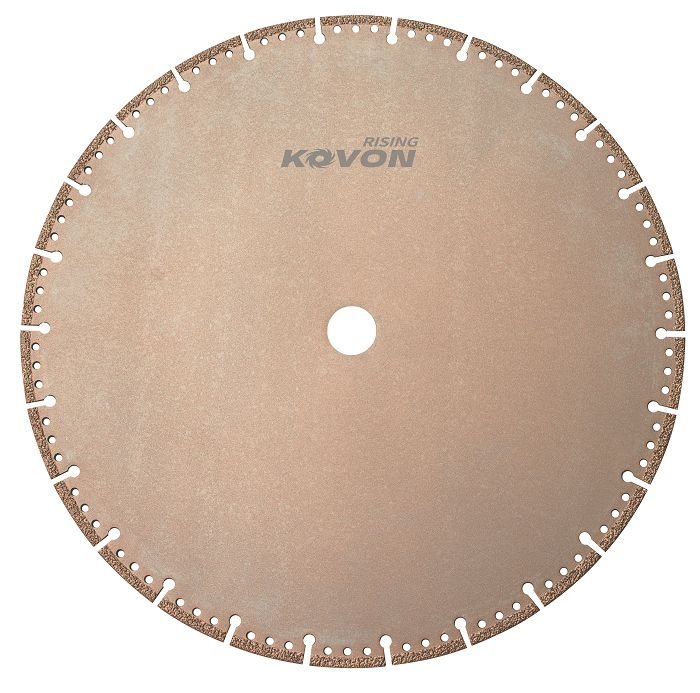
First off, let's understand a bit about diamond blades for steel. These blades are pretty amazing. They're made with industrial - grade diamonds that are bonded to the blade's edge. Diamonds are the hardest known natural material, which makes these blades incredibly effective at cutting through steel. You can check out our Diamond Edge Blade and Metal Diamond Edge Chop Saw Blade for some great examples of high - quality diamond blades for steel.
Now, back to the cooling question. Cutting steel with a diamond blade generates a whole lot of heat. There are a couple of reasons for this. When the blade spins at high speeds and comes into contact with the steel, friction is created. Friction, as we all know from basic physics, produces heat. And the harder the steel and the faster the cutting speed, the more heat is generated.
So, does it need cooling? The short answer is yes, in most cases. Cooling is crucial for several reasons.
One big reason is blade longevity. Excessive heat can have a really negative impact on the diamond blade. High temperatures can cause the diamonds on the blade to break down or even burn. The bonding material that holds the diamonds in place can also be affected. When the bonding material gets too hot, it can soften or weaken, which means the diamonds might start to come loose. This not only reduces the blade's cutting efficiency but also shortens its lifespan. By cooling the blade during cutting, we can keep the temperature in check and make sure the blade lasts longer. Our Diamond Saw Blades for Metal are designed to perform well, but they'll perform even better and last longer with proper cooling.
Another reason for cooling is cutting quality. When the blade gets too hot, it can cause the steel to warp or deform. This is a big problem, especially if you're doing precision cutting. You want a clean, straight cut, and excessive heat can mess that up. Cooling helps to prevent this deformation and ensures a smooth, accurate cut.

There are also safety concerns. A really hot blade can be a fire hazard, especially if there are any flammable materials nearby. And if the blade gets too hot and fails suddenly, it can pose a danger to the operator. Cooling the blade reduces these risks and makes the cutting process safer.
So, how do we cool the diamond blades during cutting? There are a few methods.
One common method is using a coolant. Coolants can be in the form of water or special cutting fluids. Water is a simple and cost - effective option. You can use a water - based coolant system that sprays water directly onto the cutting area. The water absorbs the heat and carries it away from the blade and the steel. Special cutting fluids are also available. These fluids are formulated to have better cooling and lubricating properties than water. They can reduce friction even more, which in turn reduces heat generation.
Another way is through air cooling. Some saws are designed with built - in air - cooling systems. These systems use fans or blowers to direct cool air onto the blade. Air cooling is a bit less effective than using a coolant, but it can still help to lower the temperature to some extent.
Now, there might be some situations where cooling isn't strictly necessary. For example, if you're doing very light, slow - speed cutting on a small piece of steel. But these are rare cases. And even in these situations, a little bit of cooling can still be beneficial in terms of blade life and cutting quality.
When choosing a cooling method, you need to consider a few factors. The type of steel you're cutting is important. Different steels have different heat - generating properties. For example, stainless steel is a bit harder to cut and generates more heat compared to mild steel. The cutting speed also matters. Faster cutting speeds will generate more heat, so you might need a more effective cooling method. And the size of the blade and the saw also play a role. Larger blades and saws might require more powerful cooling systems.
In addition to the cooling itself, proper maintenance of the cooling system is also essential. If you're using a coolant, you need to make sure the coolant is clean and at the right concentration. A dirty coolant can clog the spray nozzles and reduce the cooling efficiency. And for air - cooling systems, the fans and blowers need to be checked regularly to make sure they're working properly.
So, to sum it all up, cooling a diamond blade for steel during cutting is generally a must. It helps to increase blade longevity, improve cutting quality, and enhance safety. Whether you're a professional metalworker or a DIY enthusiast, taking the time to set up a proper cooling system will pay off in the long run.
If you're in the market for high - quality diamond blades for steel or have any questions about cooling and using these blades, we'd love to hear from you. We're here to provide you with the best products and advice to meet your cutting needs. Reach out to us to start a discussion about your requirements and let's see how we can work together.
References
- Basic Physics Textbooks on Friction and Heat Generation
- Industry Reports on Diamond Blade Performance and Cooling Requirements