

How does the Diamond Edge Blade perform in cold temperatures?
Hey there! As a supplier of Diamond Edge Blades, I've gotten a ton of questions about how these bad boys perform in cold temperatures. So, I thought I'd dive deep into this topic and share everything I've learned.
First off, let's talk about what makes the Diamond Edge Blade so special. These blades are known for their top - notch quality and durability. They're designed to cut through a variety of materials like glass, metal, and more. Whether you're a professional contractor or a DIY enthusiast, you'll find these blades super useful.
When it comes to cold temperatures, the performance of any tool can be affected, and the Diamond Edge Blade is no exception. But don't worry, it doesn't mean it'll stop working altogether.
How Cold Affects Materials
To understand how the Diamond Edge Blade performs in cold temperatures, we need to know how cold affects the materials it cuts and the blade itself.
Most materials become more brittle in cold conditions. For example, glass. When it's cold, glass becomes more prone to cracking and shattering. This means that when using the Diamond Saw Blade for Glass, you need to be extra careful. The blade might cut through the glass faster in some cases, but there's a higher risk of the glass breaking unevenly.
Metals also change in the cold. They contract, which can make them harder to cut. But the Metal Diamond Edge Chop Saw Blade is designed to handle this. The diamond particles on the blade are tough enough to deal with the increased hardness of the metal. However, you might notice that you need to apply a bit more pressure when cutting in cold weather.
The Blade's Performance in Cold
Now, let's focus on the blade itself. The Diamond Edge Blade is made with high - quality materials that are designed to withstand different conditions. But cold can still have an impact.
The bond that holds the diamond particles to the blade can become a bit stiffer in cold temperatures. This might make the blade less flexible, but it doesn't mean it'll lose its cutting ability. In fact, the stiffness can sometimes work in your favor. It can give the blade more stability when cutting, especially through tough materials.
However, if the temperature drops too low, there's a small risk of the bond cracking. This is why it's important to store the blades in a relatively warm place when not in use. If you're working outdoors in extremely cold weather, you might want to bring the blades inside periodically to warm them up a bit.
Tips for Using Diamond Edge Blades in Cold
Based on my experience, here are some tips to get the best performance from your Diamond Edge Blades in cold temperatures:
- Pre - warm the blade (if possible): If you're starting a job in cold weather, you can let the blade sit in a warm area for a little while before using it. This can help reduce the stiffness of the bond and make the blade more flexible.
- Adjust your cutting speed: Since materials are more brittle in the cold, you might want to slow down your cutting speed. This gives you more control and reduces the risk of the material breaking unevenly.
- Inspect the blade regularly: Cold can cause small cracks or damage to the blade. Before and after each use, take a close look at the blade to make sure it's in good condition.
Real - World Examples
I've had customers tell me about their experiences using the Diamond Edge Blades in cold temperatures. One contractor was working on a glass installation project in the winter. He was using the Diamond Saw Blade for Glass and noticed that the glass was cracking more easily. But by following the tips I mentioned above, like slowing down the cutting speed, he was able to complete the project successfully.
Another customer was cutting metal pipes in a cold warehouse. He found that the Metal Diamond Edge Chop Saw Blade was holding up well, but he did have to apply a bit more pressure. Overall, he was satisfied with the blade's performance.
The Universal Chop Saw Blade
The Diamond Edge Universal Chop Saw Blade is a great option if you're dealing with different materials in cold weather. It's designed to be versatile and can cut through a variety of substances.

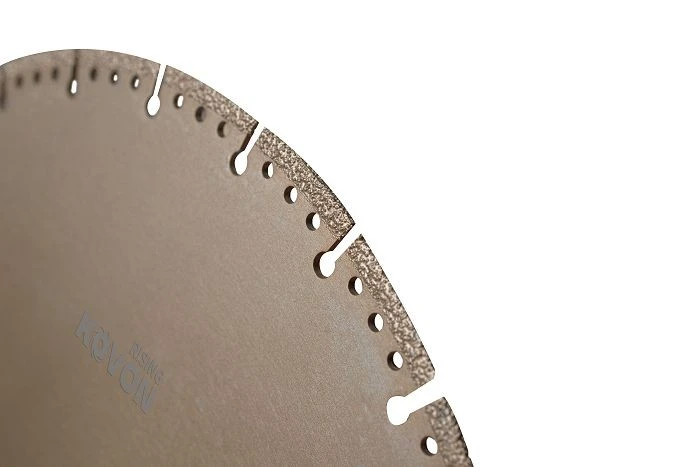
In cold temperatures, its performance is similar to the specialized blades. It can handle the increased hardness of metals and the brittleness of glass. The key is to use it with the right techniques and follow the tips I've shared.
Conclusion
In conclusion, the Diamond Edge Blades can perform well in cold temperatures, but you need to take some precautions. Cold affects both the materials being cut and the blade itself, but with proper handling, you can still get great results.
If you're in the market for high - quality diamond blades, whether for cold or normal conditions, we've got you covered. We offer a wide range of Diamond Edge Blades that are designed to meet your needs. If you have any questions or want to discuss your specific requirements, feel free to reach out. We're here to help you make the best choice for your projects.
References
- General knowledge about material properties in cold temperatures from materials science textbooks.
- Customer feedback and real - world experiences with Diamond Edge Blades.