

How to ensure the straightness of the cut when using a diamond saw blade for granite?
Hey there, fellow stone enthusiasts! As a supplier of Diamond Saw Blades For Granite, I've seen firsthand the importance of getting a straight cut when working with this beautiful and durable material. Granite is a popular choice for countertops, flooring, and various architectural elements, but cutting it can be a real challenge. In this blog post, I'll share some tips and tricks on how to ensure the straightness of the cut when using a diamond saw blade for granite.
Understanding the Basics of Granite Cutting
Before we dive into the tips, let's quickly go over the basics of granite cutting. Granite is an igneous rock composed mainly of quartz, feldspar, and mica. It's incredibly hard and dense, which makes it resistant to scratches, heat, and stains. However, these same properties also make it difficult to cut. That's where diamond saw blades come in.
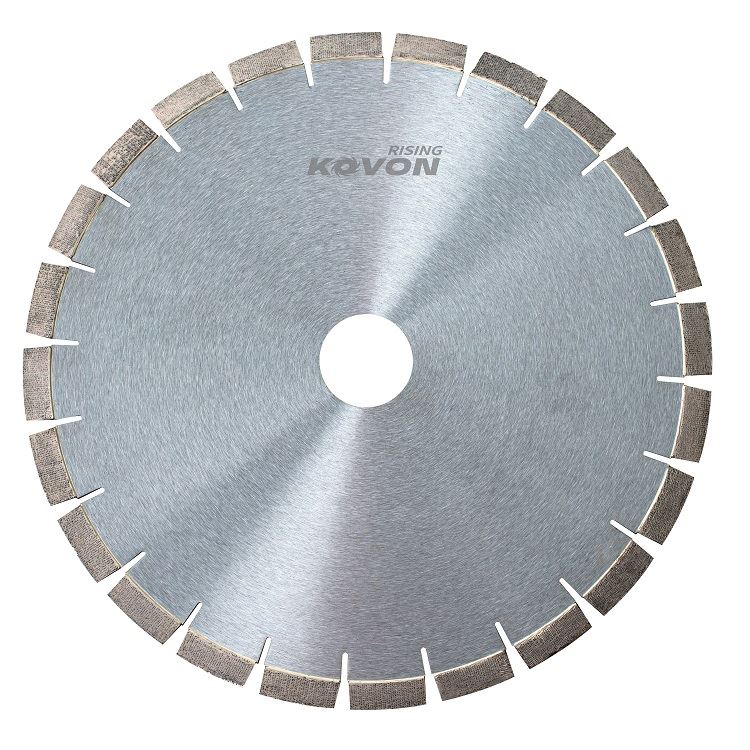

Diamond saw blades are specifically designed to cut through hard materials like granite. They feature industrial-grade diamonds embedded in the blade's edge, which act as cutting teeth. These diamonds are incredibly hard and can easily slice through the granite, providing a clean and precise cut.
Choosing the Right Diamond Saw Blade
The first step in ensuring a straight cut is choosing the right diamond saw blade. There are several factors to consider when selecting a blade, including the type of granite you're cutting, the thickness of the granite, and the type of saw you're using.
- Type of Granite: Different types of granite have different hardness levels and compositions. For example, some granites are more abrasive than others, which can cause the blade to wear out more quickly. Make sure to choose a blade that's specifically designed for the type of granite you're cutting.
- Thickness of the Granite: The thickness of the granite will also determine the type of blade you need. Thicker granite requires a blade with a larger diameter and a more aggressive cutting edge.
- Type of Saw: The type of saw you're using will also affect the blade you choose. For example, a wet saw is typically used for cutting granite, as it helps to cool the blade and prevent it from overheating. Make sure to choose a blade that's compatible with your saw.
As a supplier, I recommend checking out our Diamond Masonry Saw Blade and Diamond Blade for Engineered Stone options. These blades are designed specifically for cutting granite and other hard materials, and they offer excellent performance and durability.
Preparing the Granite and the Saw
Once you've chosen the right diamond saw blade, it's time to prepare the granite and the saw for cutting. Here are some steps to follow:
- Clean the Granite: Before cutting, make sure to clean the granite surface to remove any dirt, dust, or debris. This will help to prevent the blade from getting clogged and ensure a smooth cut.
- Mark the Cutting Line: Use a straightedge and a marker to mark the cutting line on the granite. Make sure the line is straight and accurate, as this will guide the blade and help you achieve a straight cut.
- Secure the Granite: Use clamps or a vise to secure the granite to the saw table. This will prevent the granite from moving during the cutting process, which can cause the blade to wander and result in an uneven cut.
- Check the Saw: Before starting the saw, make sure it's in good working condition. Check the blade for any signs of damage or wear, and make sure the saw's water supply is working properly.
Cutting Techniques for Straight Cuts
Now that you've prepared the granite and the saw, it's time to start cutting. Here are some cutting techniques to help you ensure a straight cut:
- Use a Guide: A guide can help you keep the blade on track and ensure a straight cut. You can use a straightedge or a guide rail to guide the blade along the cutting line.
- Take Your Time: Cutting granite is a slow and steady process. Don't rush the cut, as this can cause the blade to wander and result in an uneven cut. Instead, take your time and let the blade do the work.
- Apply Consistent Pressure: When cutting, apply consistent pressure to the saw. This will help to keep the blade moving smoothly and prevent it from binding or stalling.
- Keep the Blade Cool: As mentioned earlier, cutting granite generates a lot of heat, which can cause the blade to overheat and wear out more quickly. Make sure to keep the blade cool by using a wet saw or by applying a coolant to the blade.
Maintaining the Diamond Saw Blade
Proper maintenance of the diamond saw blade is essential for ensuring a straight cut and extending the blade's lifespan. Here are some tips for maintaining your blade:
- Clean the Blade Regularly: After each use, make sure to clean the blade to remove any debris or residue. You can use a wire brush or a blade cleaner to clean the blade.
- Sharpen the Blade: Over time, the blade's cutting edge will become dull, which can affect the quality of the cut. Make sure to sharpen the blade regularly to keep it in good working condition.
- Store the Blade Properly: When not in use, make sure to store the blade in a dry and secure place. Avoid storing the blade in a damp or humid environment, as this can cause the diamonds to rust and the blade to deteriorate.
Troubleshooting Common Cutting Problems
Even with the best diamond saw blade and cutting techniques, you may still encounter some problems when cutting granite. Here are some common problems and solutions:
- Blade Wandering: If the blade is wandering during the cut, it could be due to a number of factors, including a dull blade, incorrect blade alignment, or uneven pressure on the saw. Make sure to check the blade for dullness, align the blade properly, and apply consistent pressure to the saw.
- Chip Out: Chip out occurs when small pieces of granite break off during the cut. This can be caused by a dull blade, incorrect cutting speed, or improper blade selection. Make sure to use a sharp blade, adjust the cutting speed as needed, and choose a blade that's specifically designed for the type of granite you're cutting.
- Overheating: If the blade is overheating, it could be due to a lack of coolant or a clogged water supply. Make sure to use a wet saw or apply a coolant to the blade, and check the water supply to ensure it's working properly.
Conclusion
Cutting granite can be a challenging but rewarding task. By choosing the right diamond saw blade, preparing the granite and the saw properly, using the right cutting techniques, and maintaining the blade, you can ensure a straight and precise cut every time.
If you're in the market for a high-quality Diamond Saw Blade For Granite, look no further than our Granite Diamond Cutting Blade. Our blades are designed to provide excellent performance and durability, and they're backed by our commitment to customer satisfaction.
If you have any questions or need further assistance, please don't hesitate to contact us. We'd be happy to help you choose the right blade for your needs and provide you with any additional information you may need.
References
- Wood, J. (2020). Stone Cutting Handbook. Stonecraft Publishing.
- Smith, A. (2019). The Art of Cutting Granite. Masonry Magazine.
- Johnson, R. (2018). Diamond Saw Blades: A Comprehensive Guide. Tool Review Weekly.