

How to optimize the cutting process with stone cutting segments?
Optimizing the cutting process is crucial for businesses in the stone processing industry, as it directly impacts productivity, cost - efficiency, and the quality of the finished products. As a reliable Stone Cutting Segments supplier, I have witnessed firsthand the profound effects that well - designed and properly used segments can have on the cutting operation. This blog will delve into the essential strategies and considerations for optimizing the cutting process with stone cutting segments.
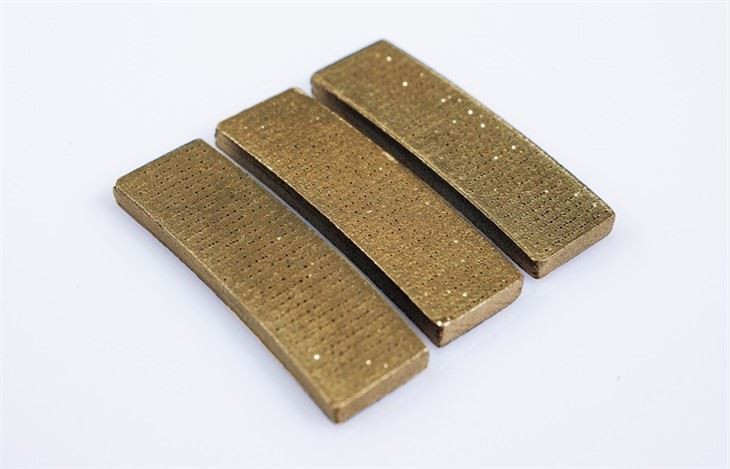

Understanding Stone Cutting Segments
Before discussing optimization strategies, it is necessary to understand what Stone Cutting Segments are. These segments are the working parts of a saw blade that come into direct contact with the stone material during the cutting process. They are typically made up of a matrix (usually a metal alloy) and diamond particles. The diamond particles are the cutting agents, while the matrix holds them in place and provides support.
There are different types of Stone Cutting Segments designed for specific stone materials. For instance, segments for granite cutting need to be more robust and have a higher diamond concentration compared to those for marble cutting. You can explore our wide range of Stone Cutting Segments that are tailored to various stone materials and cutting requirements.
Selecting the Right Stone Cutting Segments
The first step in optimizing the cutting process is to select the appropriate Stone Cutting Diamond Segments for the job. This decision depends on several factors:
Stone Material
Different stones have different hardness, abrasiveness, and structure. Harder stones like granite require segments with a higher diamond concentration and a more wear - resistant matrix. Softer stones such as marble can be cut with segments that have a lower diamond concentration. The composition of the stone also matters; for example, stones with high quartz content are more abrasive and need more durable segments.
Cutting Speed and Feed Rate
The desired cutting speed and feed rate also influence segment selection. If you need a high - speed cutting operation, segments with a well - optimized diamond distribution and matrix hardness are required. A balance must be struck between cutting speed and feed rate; if the feed rate is too high relative to the cutting speed, the segments may wear out quickly or the quality of the cut may be compromised.
Cutting Application
The type of cutting application, whether it is a straight cut, a curved cut, or a plunge cut, also affects segment choice. For intricate cuts, segments with better corner wear resistance and flexibility may be needed.
Proper Installation of Saw Blades with Segments
Once the right Saw Blade Diamond Segment is selected, proper installation of the saw blade is essential. An incorrectly installed blade can lead to uneven wear of the segments, poor cutting quality, and even safety hazards.
- Clean the Arbor and the Blade: Before installation, make sure the arbor (the shaft on which the saw blade is mounted) and the blade are clean. Any dirt, debris, or rust can cause the blade to be misaligned and result in an unstable cutting operation.
- Use the Right Washers and Nuts: Ensure that the washers and nuts used to secure the blade are of the correct size and type. Tighten the nuts to the recommended torque value specified by the blade manufacturer. Over - tightening or under - tightening can lead to problems during cutting.
- Check the Blade for Balance: A balanced saw blade is crucial for smooth and efficient cutting. Use a blade balancer to check the balance of the blade before installation. If the blade is out of balance, it can cause vibrations, which will not only affect the cutting quality but also increase the wear on the segments.
Optimizing Cutting Parameters
Cutting Speed
The cutting speed is determined by the rotational speed of the saw blade. For different stone materials, there is an optimal cutting speed range. If the cutting speed is too low, the diamond particles may not engage effectively with the stone, leading to slow cutting and high wear on the segments. On the other hand, if the cutting speed is too high, the segments may overheat, causing the diamond particles to fracture or the matrix to melt, reducing the segment's lifespan. Refer to the segment manufacturer's recommendations for the appropriate cutting speed for different stone materials.
Feed Rate
The feed rate refers to the speed at which the stone material is moved through the saw blade. A proper feed rate is crucial for maximizing the productivity of the cutting process while maintaining the quality of the cut. The feed rate should be adjusted based on the hardness of the stone, the type of segments used, and the cutting speed. Generally, for harder stones, a lower feed rate is required to prevent excessive wear on the segments.
Depth of Cut
The depth of cut is the thickness of the stone material that is removed in a single pass of the saw blade. A deeper depth of cut can increase productivity, but it also places more stress on the segments. If the depth of cut is too large, the segments may experience more breakage and wear. It is important to find a balance between the depth of cut and the segment's capacity. For most applications, a shallower depth of cut with multiple passes can be a better option to ensure the longevity of the segments and the quality of the cut.
Maintenance of Stone Cutting Segments
Regular maintenance of the stone cutting segments is essential for optimizing the cutting process.
- Coolant and Lubrication: Using an appropriate coolant and lubrication system is crucial for reducing heat and friction during the cutting process. Coolants help to keep the segments at a reasonable temperature, preventing overheating and premature wear. They also flush away the stone dust, which can cause abrasion on the segments. Make sure to use the recommended coolant and maintain the correct coolant concentration.
- Inspection of Segments: Regularly inspect the segments for signs of wear, chipping, or damage. If any segments are worn beyond the recommended limit, they should be replaced immediately. Uneven wear on the segments can cause the saw blade to become unbalanced, leading to poor cutting quality and increased wear on other segments.
- Cleaning of the Saw Blade: After each use, clean the saw blade to remove any stone dust and coolant residue. This helps to maintain the performance of the segments and prevent corrosion of the blade. Use a soft brush and a suitable cleaning solution to clean the blade, and dry it thoroughly before storage.
Training Operators
Well - trained operators play a vital role in optimizing the cutting process. Operators should be educated on the proper use, installation, and maintenance of the saw blades and segments. They should understand the importance of selecting the right segments for the job, setting the appropriate cutting parameters, and performing regular maintenance tasks. Training programs should also cover safety procedures to prevent accidents during the cutting operation.
Conclusion
Optimizing the cutting process with stone cutting segments involves a combination of proper segment selection, correct installation, optimization of cutting parameters, regular maintenance, and well - trained operators. As a Stone Cutting Segments supplier, we are committed to providing high - quality segments and technical support to help our customers achieve the best cutting results.
If you are looking to improve your cutting process and want to explore our range of Stone Cutting Segments, Stone Cutting Diamond Segments, or Saw Blade Diamond Segment, please feel free to get in touch with us. We are eager to have in - depth discussions with you about your specific requirements and find the most suitable solutions for your business.
References
- "Diamond Tools for Stone Processing" - Industry Report, Global Stone Association
- Manufacturer's Manuals for Stone Cutting Segments and Saw Blades.
- "Cutting Technology in the Stone Industry" - Academic Research Paper, Journal of Stone Processing Technology