

What chemicals should be avoided when using Granite Segment?
Hey there! As a supplier of Granite Segment, I've seen firsthand the importance of knowing which chemicals to avoid when using these segments. In this blog post, I'll share some insights on the chemicals that can cause problems and why you should steer clear of them.
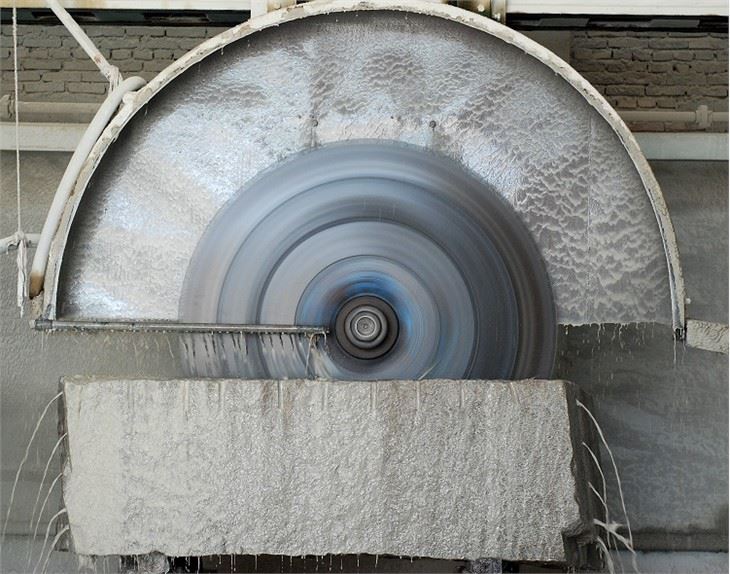
First off, let's talk about why it matters. Granite segments are made with diamond particles embedded in a metal matrix. These segments are used for cutting, grinding, and polishing granite and other hard stones. The performance of the segments depends on the quality of the diamond and the metal matrix, as well as the cutting conditions. Certain chemicals can react with the metal matrix or the diamond, leading to reduced performance, premature wear, or even damage to the segments.
One of the chemicals to avoid is hydrochloric acid. Hydrochloric acid is a strong acid commonly used for cleaning and etching. When it comes into contact with the metal matrix of a granite segment, it can corrode the metal, weakening the bond between the diamond particles and the matrix. This can cause the diamonds to fall out prematurely, reducing the cutting efficiency and lifespan of the segment. If you need to clean granite surfaces, use a milder, pH - neutral cleaner instead.
Another chemical to be wary of is sulfuric acid. Sulfuric acid is extremely corrosive and can have a devastating effect on granite segments. It can not only corrode the metal matrix but also react with the diamond itself under certain conditions. The high reactivity of sulfuric acid can lead to rapid deterioration of the segment, making it useless for cutting tasks. Avoid using any products that contain sulfuric acid in the vicinity of your granite cutting operations.

Ammonia - based cleaners are also a no - go. While ammonia is often used for cleaning because it can dissolve grease and grime, it can react with the metal in the granite segment. Ammonia can form complexes with metal ions, which can disrupt the structure of the metal matrix. This can result in a loss of strength and integrity of the segment, causing it to break or wear out faster. Stick to non - ammonia cleaners when dealing with granite and granite segments.
Chlorine - containing chemicals, such as bleach, should be avoided too. Chlorine is a powerful oxidizing agent. When it contacts the metal matrix of the granite segment, it can oxidize the metal, forming metal oxides. These oxides can flake off, taking the diamond particles with them. Moreover, chlorine can react with some of the trace elements in the metal matrix, altering its properties and reducing the segment's performance.
Now, let's talk about the benefits of using high - quality granite segments. At our company, we offer Quality Diamond Segment for Granite. These segments are designed to provide excellent cutting performance and durability. They are made with high - grade diamonds and a carefully formulated metal matrix that can withstand the rigors of granite cutting.
Our Fast Cutting Arix Diamond Segment is another great option. As the name suggests, it is engineered for fast and efficient cutting. The unique design and composition of this segment ensure that it can cut through granite quickly, saving you time and money on your projects.
If you're looking for a segment for edge cutting, our Edge Cutting Segment for Granite is the way to go. It is specifically designed to provide precise and clean cuts on the edges of granite slabs, giving you a professional - looking finish.
When you're using our granite segments, following the right practices is crucial. Always use the recommended cutting fluids and lubricants. These help to reduce heat and friction during the cutting process, which can prevent the segments from overheating and wearing out prematurely. Also, make sure to use the correct cutting speed and pressure. Using too much pressure or an incorrect speed can put unnecessary stress on the segments, leading to damage.
In addition to avoiding the chemicals mentioned above, it's also important to store your granite segments properly. Keep them in a dry and clean environment. Moisture can cause the metal matrix to rust, which will weaken the segments. And don't forget to inspect your segments regularly for signs of wear or damage. If you notice any issues, replace the segments promptly to ensure the safety and efficiency of your cutting operations.
If you're in the market for high - quality granite segments, we're here to help. We have a wide range of segments to meet your specific needs, whether you're a small - scale contractor or a large - scale stone processing plant. Our team of experts can provide you with advice on the best segments for your projects and answer any questions you may have.
We understand that choosing the right granite segments can be a challenge, especially with so many options out there. But with our experience and commitment to quality, you can trust us to provide you with the best products. Contact us today to start a discussion about your granite segment requirements. We're eager to work with you and help you achieve the best results in your granite cutting and processing operations.
References
- "Handbook of Stone Cutting and Polishing" - This comprehensive handbook provides in - depth information on the cutting and processing of stones, including the chemical reactions that can affect cutting tools.
- "Diamond Tools in Stone Processing" - A research - based publication that explores the performance and durability of diamond - based cutting tools in the stone industry, with insights on chemical interactions.