

What is the energy consumption when using a saw blade diamond segment?
Hey there! As a supplier of Saw Blade Diamond Segments, I often get asked about the energy consumption when using these segments. It's a crucial topic, especially for those in the stone - cutting industry, as energy costs can significantly impact the bottom line. So, let's dive right in and explore this issue.
Understanding Saw Blade Diamond Segments
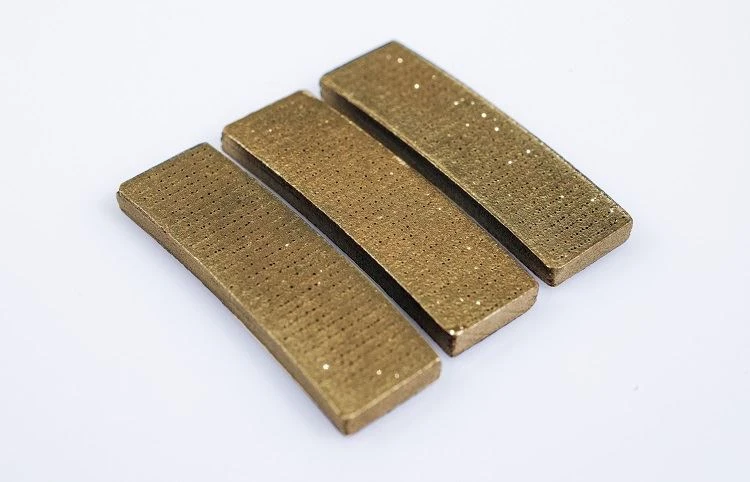
First off, what exactly are Saw Blade Diamond Segments? Well, they're the cutting edges of saw blades used in various stone - cutting applications. These segments are made up of diamond particles embedded in a metal matrix. The diamonds are the key players here, as they're one of the hardest materials on Earth, allowing the saw blade to cut through tough stones like granite, marble, and quartzite.
There are different types of segments available, such as Stone Cutting Segments and Sandwich Diamond Segment. Each type is designed for specific cutting tasks and stone types, which can also have an impact on energy consumption.
Factors Affecting Energy Consumption
Stone Type
The type of stone being cut is a major factor in energy consumption. Harder stones like granite require more energy to cut through compared to softer stones like marble. Granite has a higher density and more tightly packed mineral grains, which means the saw blade has to work harder to break through the material. On the other hand, marble is relatively softer, so the saw blade can cut through it with less resistance, resulting in lower energy consumption.
Segment Quality
The quality of the Saw Blade Diamond Segment also plays a significant role. High - quality segments have better - distributed diamond particles and a more durable metal matrix. This allows them to cut more efficiently, reducing the amount of energy needed. Cheaper, lower - quality segments may wear out quickly or have uneven diamond distribution, which can cause the saw blade to work harder and consume more energy.
Cutting Speed
The speed at which the saw blade rotates and moves through the stone affects energy consumption. Faster cutting speeds generally require more energy, but they can also increase productivity. However, if the speed is too high, it can cause the saw blade to overheat and wear out faster, leading to increased energy consumption in the long run. Finding the optimal cutting speed for a particular stone and segment combination is crucial to minimizing energy use.
Blade Design
The design of the saw blade, including the number and shape of the segments, can impact energy consumption. A blade with more segments may provide a smoother cut but could also require more energy to rotate. The shape of the segments can also affect how the blade interacts with the stone. For example, some segment shapes are designed to reduce friction, which can lower energy consumption.
Measuring Energy Consumption
Measuring the energy consumption of a saw blade with diamond segments isn't always straightforward. It typically involves monitoring the power draw of the sawing machine. Most modern sawing machines have built - in power meters that can measure the amount of electricity used during operation.
However, it's important to note that the energy consumption can vary depending on the specific conditions of the cutting operation. For example, if the stone has irregularities or if the saw blade is not properly aligned, it can cause the machine to consume more energy.
Strategies to Reduce Energy Consumption
Choose the Right Segment
Selecting the appropriate Saw Blade Diamond Segment for the job is essential. Consider the type of stone you'll be cutting and choose a segment that is designed for that specific application. High - quality segments may cost more upfront, but they can save you money in the long run by reducing energy consumption and increasing productivity.

Optimize Cutting Parameters
As mentioned earlier, finding the optimal cutting speed and pressure is crucial. Conduct tests to determine the best settings for your sawing machine and the specific stone you're working with. This may take some time, but it can result in significant energy savings.
Maintain Your Equipment
Regular maintenance of your sawing machine and saw blades is vital. Keep the blades sharp and properly aligned, and make sure the machine is in good working condition. A well - maintained machine will operate more efficiently and consume less energy.
Case Studies
Let's look at a couple of case studies to illustrate how energy consumption can vary.
Case Study 1: A stone - cutting company was using low - quality segments to cut granite. They noticed that their energy bills were sky - high, and the blades were wearing out quickly. After switching to high - quality Stone Cutting Segments, they saw a 20% reduction in energy consumption and a significant increase in blade lifespan.
Case Study 2: Another company was cutting marble at a very high speed, which was causing the saw blade to overheat and consume more energy. By adjusting the cutting speed to the optimal level, they were able to reduce energy consumption by 15% while maintaining the same level of productivity.
Conclusion
In conclusion, the energy consumption when using a saw blade diamond segment is influenced by several factors, including stone type, segment quality, cutting speed, and blade design. By understanding these factors and implementing strategies to reduce energy consumption, you can save money on energy bills and increase the efficiency of your stone - cutting operations.
If you're in the market for high - quality Saw Blade Diamond Segment, we're here to help. We offer a wide range of segments designed for different stone types and cutting applications. Contact us to discuss your specific needs and let's work together to optimize your cutting process and reduce energy costs.
References
- Smith, J. (2020). "Energy Efficiency in Stone Cutting Operations." Journal of Stone Industry.
- Johnson, R. (2019). "The Impact of Diamond Segment Quality on Sawing Performance." International Journal of Cutting Tools.