

Are there any environmental impacts of using diamond masonry saw blades?
Are there any environmental impacts of using diamond masonry saw blades?
As a supplier of diamond masonry saw blades, I've often been asked about the environmental implications of our products. Diamond masonry saw blades are widely used in the construction and stone - working industries due to their high efficiency and long - lasting performance. However, it's crucial to analyze their environmental impacts comprehensively.

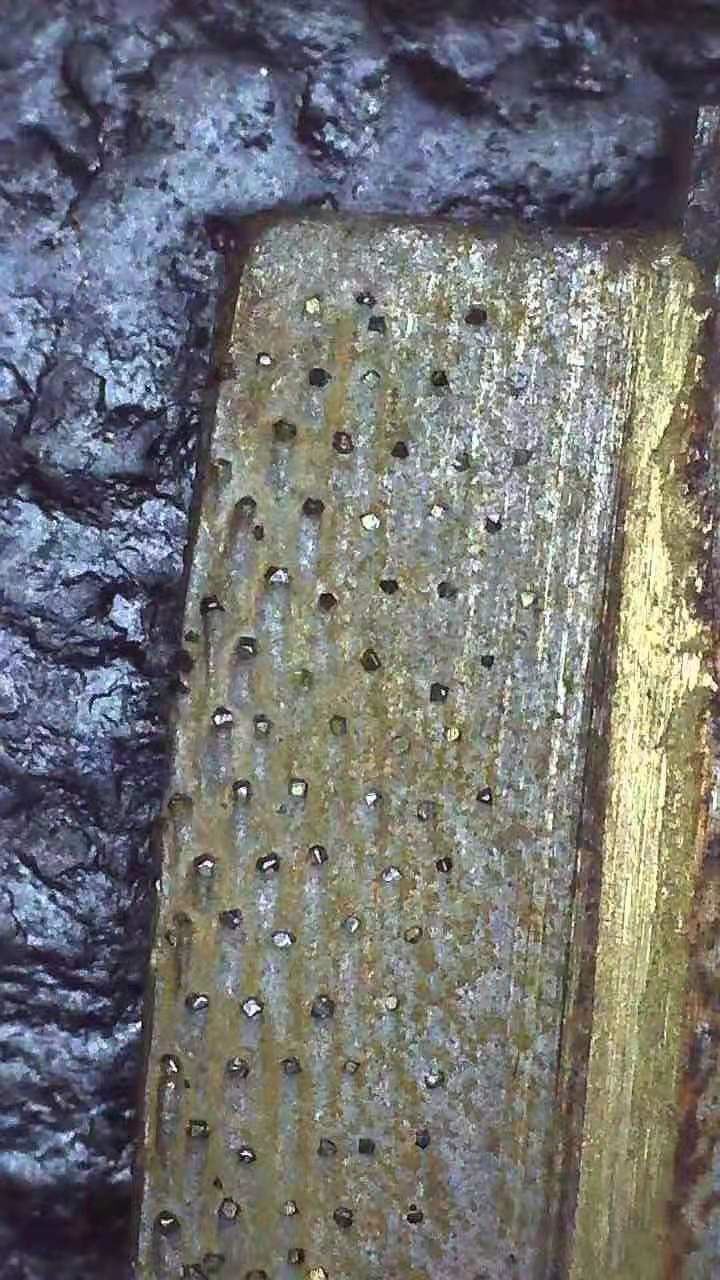
1. Manufacturing Process
The production of diamond masonry saw blades involves several steps that can have environmental consequences. First, the extraction of raw materials is a significant concern. Diamonds, whether natural or synthetic, require a substantial amount of energy and resources to obtain. Natural diamonds are mined from deep within the earth, a process that often involves large - scale excavation and can lead to habitat destruction. For example, diamond mines in Africa have been associated with deforestation and the displacement of local wildlife populations.
Synthetic diamonds, while they avoid some of the issues related to natural diamond mining, still consume a large amount of energy during their production. High - pressure, high - temperature (HPHT) or chemical vapor deposition (CVD) methods are used to create synthetic diamonds. These processes require significant amounts of electricity, and the energy sources often come from non - renewable resources such as coal - fired power plants, which contribute to greenhouse gas emissions.
In addition to diamonds, other materials used in saw blade manufacturing, such as metal powders and resins, also have environmental footprints. The extraction and processing of metals like steel and tungsten can lead to soil and water pollution. The production of resins often involves the use of chemicals that can be harmful to the environment if not properly managed.
2. Energy Consumption during Use
Diamond masonry saw blades are typically used with power tools, which consume electricity or fuel. The energy required to operate these saws can be substantial, especially when cutting through hard materials like granite or engineered stone. For instance, large - scale construction projects that use diamond saw blades for cutting stone blocks may require heavy - duty saws that draw a significant amount of power.
If the electricity is generated from non - renewable sources, the use of diamond saw blades indirectly contributes to carbon emissions. In regions where coal - fired power plants are the primary source of electricity, the environmental impact is even more pronounced. Moreover, the inefficiency of some power tools can lead to additional energy waste, further exacerbating the problem.
3. Waste Generation
During the cutting process, diamond masonry saw blades generate waste in the form of dust and debris. The dust produced when cutting stone materials contains fine particles that can be harmful to human health and the environment. Inhalation of these dust particles can cause respiratory problems such as silicosis, a serious lung disease.
From an environmental perspective, the dust can contaminate the air, soil, and water. If not properly collected and disposed of, the dust can settle on nearby vegetation, affecting plant growth. It can also be washed into water bodies, leading to water pollution and potentially harming aquatic life.
In addition to dust, the saw blades themselves eventually reach the end of their useful lives and become waste. Disposing of used diamond saw blades can be challenging. The blades often contain a combination of materials, including metals and diamonds, which may require specialized recycling processes. If not recycled properly, these blades end up in landfills, taking up space and potentially leaching harmful substances into the soil over time.
4. Positive Aspects and Mitigation Measures
Despite the environmental impacts, there are also some positive aspects to using diamond masonry saw blades. Their high cutting efficiency means that less time and energy are required to complete a cutting task compared to traditional saw blades. This can result in overall energy savings in the long run.
To mitigate the environmental impacts, our company is taking several steps. We are constantly researching and developing more energy - efficient manufacturing processes. For example, we are exploring the use of renewable energy sources in our production facilities to reduce our carbon footprint. In terms of waste management, we encourage our customers to use dust collection systems during the cutting process to minimize air pollution. We also offer recycling programs for used saw blades, ensuring that the valuable materials are recovered and reused.
5. Product - Specific Considerations
When it comes to different types of diamond masonry saw blades, such as those for granite and engineered stone, there are some specific environmental considerations.
Sharp Diamond Blade for Granite is designed to cut through the hard and dense granite material. Granite cutting generates a large amount of dust, which is rich in silica. Our blade is engineered to cut more precisely, reducing the amount of dust generated compared to less - efficient blades. This not only benefits the environment but also improves the working conditions for operators.
Diamond Blade for Engineered Stone is used for cutting engineered stone products, which are often made from a combination of natural stone particles and resins. The cutting process of engineered stone may release chemical fumes from the resins in addition to dust. Our blade is designed to minimize heat generation during cutting, which can reduce the release of these harmful fumes.
Diamond Saw Blade for Granite is another high - performance product in our range. It is optimized for energy efficiency, meaning that it requires less power to cut through granite. This helps to reduce the overall energy consumption and associated environmental impacts during the cutting process.
6. Conclusion and Call to Action
In conclusion, while diamond masonry saw blades do have environmental impacts, there are ways to minimize these effects. As a supplier, we are committed to sustainable development and are constantly working to improve the environmental performance of our products.
If you are in the market for high - quality diamond masonry saw blades that are both efficient and environmentally friendly, we invite you to contact us for a procurement discussion. We can provide you with detailed information about our products, their environmental features, and how they can meet your specific needs.
References
- "Environmental Impacts of Mining" by the United Nations Environment Programme.
- "Energy Efficiency in Manufacturing Processes" from the International Energy Agency.
- "Dust and Fume Management in Stone Cutting" published by the Occupational Safety and Health Administration.