

How does the blade's wear pattern indicate its condition?
In the world of masonry work, the diamond saw blade stands as an indispensable tool. As a supplier of Diamond Masonry Saw Blades, I've witnessed firsthand the critical role these blades play in cutting through various materials, from granite to artificial stone. One aspect that often goes unnoticed but is of utmost importance is the blade's wear pattern. Understanding how the wear pattern indicates the blade's condition can significantly enhance the efficiency and longevity of the tool, as well as the quality of the work being done.
The Basics of Diamond Masonry Saw Blades
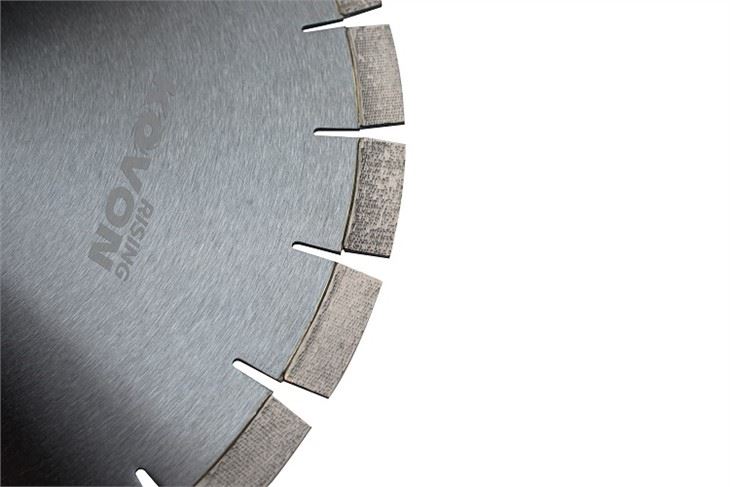
Before delving into the wear patterns, it's essential to understand the construction of a diamond masonry saw blade. These blades consist of a metal core with diamond segments attached to the outer edge. The diamonds, known for their extreme hardness, are the cutting agents that allow the blade to slice through tough materials. The metal core provides the structural support and stability for the blade during operation.
The performance of a diamond saw blade depends on several factors, including the quality of the diamonds, the bond strength between the diamonds and the metal matrix, and the design of the blade. Different types of blades are designed for specific materials, such as granite, marble, or artificial stone. For instance, a Sharp Diamond Blade for Granite is engineered to handle the hardness and density of granite, while a Diamond Blade for Artificial Stone is optimized for the unique properties of artificial materials.
Types of Wear Patterns and What They Indicate
Uniform Wear
Uniform wear is generally considered a positive sign. When a diamond saw blade wears evenly across all segments, it indicates that the blade is operating under ideal conditions. The diamonds are being used uniformly, and the bond between the diamonds and the metal matrix is holding up well. This type of wear pattern suggests that the blade is well-suited for the material being cut and that the cutting parameters, such as speed and pressure, are appropriate.
A blade with uniform wear will continue to cut efficiently and produce smooth, clean cuts. However, as the blade wears down, the cutting performance will gradually decline. It's important to monitor the thickness of the blade segments regularly. Once the segments reach a certain minimum thickness, it's time to replace the blade to avoid potential safety hazards and poor cutting quality.
Uneven Wear
Uneven wear is a common issue that can occur for several reasons. One possible cause is improper blade installation. If the blade is not installed correctly, it may not rotate evenly, causing some segments to wear more quickly than others. Another factor could be the material itself. If the material has variations in hardness or density, the blade may experience uneven wear as it cuts through different areas.
Uneven wear can also be a sign of incorrect cutting parameters. For example, if the cutting speed is too high or the pressure is too great, some segments may be subjected to more stress than others, leading to accelerated wear. When a blade shows uneven wear, it's crucial to identify and address the root cause. Otherwise, the blade's performance will deteriorate rapidly, and it may even become damaged beyond repair.
Crown Wear
Crown wear occurs when the center of the blade segments wears more quickly than the edges. This wear pattern is often associated with blades that are used for curved or circular cuts. As the blade moves along a curved path, the center of the segments is subjected to more friction and pressure, causing it to wear faster.
Crown wear can also be a result of using a blade with a too-large diameter for the job. A larger blade may require more force to turn, putting additional stress on the center of the segments. To minimize crown wear, it's important to choose the right blade diameter for the specific cutting task. Additionally, adjusting the cutting speed and pressure can help reduce the stress on the blade.
Shoulder Wear
Shoulder wear is characterized by excessive wear at the edges of the blade segments. This type of wear can be caused by several factors, including using a blade with a too-narrow segment width for the material being cut. If the segment width is too narrow, the edges of the segments will be more exposed to the material, leading to increased wear.
Another possible cause of shoulder wear is improper blade alignment. If the blade is not aligned correctly with the cutting surface, the edges of the segments may rub against the material, causing premature wear. To prevent shoulder wear, it's essential to select the appropriate blade for the material and ensure proper blade alignment during installation.
Monitoring and Maintaining Blade Condition
Regular inspection of the blade's wear pattern is crucial for ensuring optimal performance and safety. Here are some tips for monitoring and maintaining the condition of your diamond masonry saw blades:
- Visual Inspection: Regularly examine the blade for signs of wear, such as uneven segments, cracks, or missing diamonds. Look for any visible changes in the wear pattern, as this can indicate potential problems.
- Measure Segment Thickness: Use a caliper or a micrometer to measure the thickness of the blade segments. Keep a record of the measurements over time to track the wear rate. This will help you determine when it's time to replace the blade.
- Clean the Blade: After each use, clean the blade thoroughly to remove any debris or residue. This will prevent the buildup of material on the blade, which can affect its performance and cause premature wear.
- Store the Blade Properly: When not in use, store the blade in a dry, clean place. Avoid storing the blade in a damp or humid environment, as this can cause rust and corrosion.
Importance of Choosing the Right Blade
Selecting the right diamond masonry saw blade for the job is essential for achieving the best results. Using the wrong blade can lead to poor cutting performance, excessive wear, and even damage to the material being cut. As a supplier, I often recommend that customers consider the following factors when choosing a blade:
- Material Type: Different materials require different types of blades. For example, a Hard Granite Diamond Saw Blade is specifically designed to handle the hardness and density of granite, while a blade for softer materials like marble will have a different diamond concentration and bond strength.
- Blade Size and Design: The size and design of the blade should be appropriate for the cutting task. Consider the thickness of the material, the type of cut (straight, curved, or circular), and the available equipment.
- Quality and Brand: Investing in a high-quality blade from a reputable brand can make a significant difference in performance and longevity. Look for blades that are made with high-quality diamonds and a strong bond matrix.
Conclusion
Understanding how the blade's wear pattern indicates its condition is essential for anyone involved in masonry work. By monitoring the wear pattern regularly and taking appropriate measures to address any issues, you can ensure the optimal performance and longevity of your diamond masonry saw blades.

As a supplier of Diamond Masonry Saw Blades, I'm committed to providing high-quality products and expert advice to help you achieve the best results. If you have any questions about choosing the right blade for your project or need assistance with blade maintenance, please don't hesitate to contact me. We're here to help you make the most of your cutting tools and ensure the success of your masonry work.
References
- ASTM International. (2019). Standard Terminology for Dimension Stone. ASTM C119 - 19.
- Diamond Tool Institute. (2020). Diamond Tool Handbook.
- Klein, C., & Hurlbut, C. S. (1993). Manual of Mineralogy (21st ed.). Wiley.