

How to optimize the cutting speed of a saw blade for granite?
Optimizing the cutting speed of a saw blade for granite is a crucial aspect of achieving efficient and high - quality cutting results. As a supplier of saw blades for granite, I have witnessed firsthand the impact that the right cutting speed can have on both the performance of the blade and the overall productivity of the cutting process. In this blog, I will share some key insights on how to optimize the cutting speed of a granite saw blade.
Understanding the Basics of Granite Cutting
Granite is a hard and dense igneous rock composed mainly of quartz, feldspar, and mica. Its hardness and abrasiveness make it a challenging material to cut. When cutting granite, the saw blade needs to be able to withstand the high forces and friction generated during the cutting process. The cutting speed, which is the speed at which the saw blade moves through the granite, plays a vital role in determining the quality of the cut, the lifespan of the blade, and the overall efficiency of the operation.
Factors Affecting Cutting Speed
1. Blade Characteristics
The design and specifications of the saw blade have a significant impact on the optimal cutting speed. Blades with a higher diamond concentration generally allow for faster cutting speeds because they can withstand more wear and tear. The size of the diamonds on the blade also matters. Larger diamonds can cut through granite more aggressively, but they may also cause more chipping. Additionally, the bond type of the blade, which holds the diamonds in place, affects the cutting speed. A softer bond allows the diamonds to be exposed more quickly, which can increase the cutting speed, but it may also result in a shorter blade lifespan.
2. Granite Properties
The physical properties of the granite, such as its hardness, density, and grain size, influence the cutting speed. Harder and denser granites require slower cutting speeds to prevent excessive wear on the blade and to ensure a clean cut. Granites with larger grain sizes may also need slower speeds to avoid chipping and cracking.
3. Machine Capabilities
The power and speed capabilities of the cutting machine are important factors. A more powerful machine can typically handle higher cutting speeds. However, it is essential to ensure that the machine is properly calibrated and maintained to operate at the optimal speed. The stability of the machine also affects the cutting speed. A stable machine reduces vibrations, which can improve the quality of the cut and allow for higher cutting speeds.
Methods to Optimize Cutting Speed
1. Conduct a Blade - Granite Compatibility Test
Before starting a large - scale cutting project, it is advisable to conduct a compatibility test between the saw blade and the specific type of granite. This involves making a few test cuts at different speeds and observing the cutting performance. Look for signs of excessive wear on the blade, chipping of the granite, or uneven cuts. Based on the results of the test, you can determine the optimal cutting speed for the combination of blade and granite.
2. Adjust the Feed Rate
The feed rate, which is the speed at which the granite is fed into the saw blade, is closely related to the cutting speed. A proper balance between the feed rate and the cutting speed is essential. If the feed rate is too high, the blade may not be able to cut through the granite effectively, leading to increased wear and a poor - quality cut. On the other hand, if the feed rate is too low, it can be a waste of time and reduce productivity. Experiment with different feed rates to find the optimal combination for your specific cutting conditions.
3. Use the Right Cooling System
Cooling is crucial when cutting granite. As the saw blade cuts through the granite, it generates a significant amount of heat. Excessive heat can damage the blade and reduce its cutting efficiency. A proper cooling system, such as a water - based coolant, helps to dissipate the heat and lubricate the cutting process. By keeping the blade cool, you can increase the cutting speed without causing excessive wear. Make sure the coolant is flowing evenly over the blade and the cutting area.
4. Regularly Inspect and Maintain the Blade
Regular inspection and maintenance of the saw blade are essential for optimizing the cutting speed. Check the blade for signs of wear, such as dull diamonds or damage to the bond. If the blade is worn, it may need to be resharpened or replaced. Cleaning the blade regularly can also improve its performance. Remove any debris or dust that may accumulate on the blade, as this can affect the cutting speed and the quality of the cut.
The Importance of Optimizing Cutting Speed
1. Cost - Efficiency
Optimizing the cutting speed can significantly reduce costs. A faster cutting speed means that more granite can be cut in less time, increasing productivity. Additionally, by using the blade at the optimal speed, you can extend its lifespan, reducing the frequency of blade replacements. This not only saves money on blade costs but also on downtime associated with changing blades.
2. Quality of the Cut
A well - optimized cutting speed results in a cleaner and more precise cut. When the blade is cutting at the right speed, there is less chipping and cracking of the granite, which is especially important for applications where a high - quality finish is required, such as in countertops or decorative pieces.
3. Safety
Operating the saw blade at the optimal cutting speed also enhances safety. A blade that is cutting too fast can cause the granite to break or shatter unexpectedly, posing a risk to the operator. By ensuring that the cutting speed is within the recommended range, you can minimize the risk of accidents and injuries.
Our Products and Their Suitability for Optimized Cutting
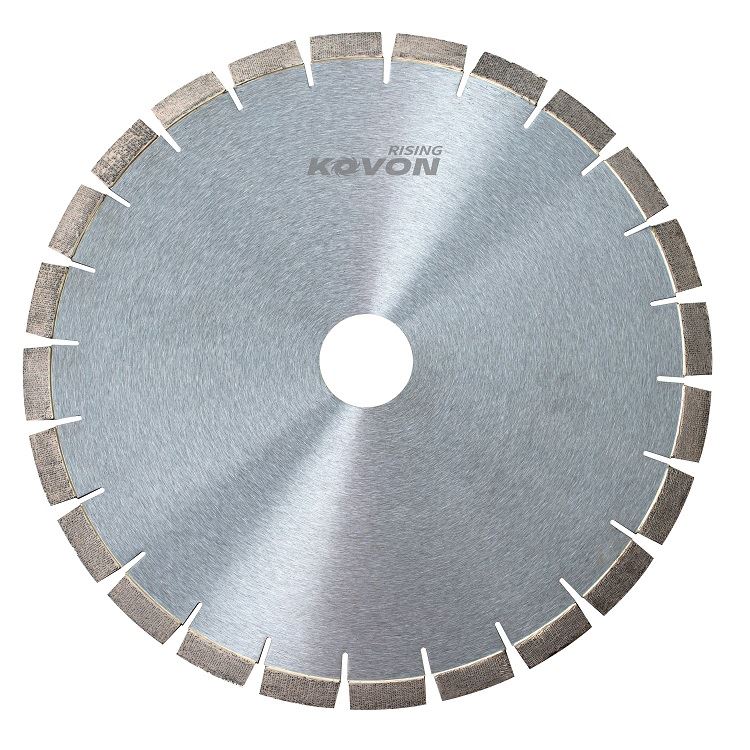
As a supplier of saw blades for granite, we offer a wide range of products designed to meet different cutting needs. Our Granite Cutting Blade for Circular Saw is specifically engineered for circular saws, providing a smooth and efficient cutting experience. It features high - quality diamonds and a durable bond, allowing for a relatively high cutting speed while maintaining excellent cutting performance.
Our Diamond Saw Blade for Granite is another popular choice. With a carefully selected diamond concentration and bond type, this blade is suitable for cutting various types of granite. It can be adjusted to different cutting speeds depending on the specific requirements of the project.
Our Saw Blade for Granite is a versatile option that can be used in a variety of cutting machines. It is designed to optimize the cutting speed while ensuring a long lifespan and a high - quality cut.
Conclusion
Optimizing the cutting speed of a saw blade for granite is a complex but essential process. By considering factors such as blade characteristics, granite properties, and machine capabilities, and by implementing methods like conducting compatibility tests, adjusting the feed rate, using the right cooling system, and maintaining the blade, you can achieve efficient and high - quality cutting results.
As a supplier, we are committed to providing high - quality saw blades for granite and offering technical support to help you optimize the cutting process. If you are interested in our products or have any questions about optimizing the cutting speed of your granite saw blade, please feel free to contact us for further discussion and potential procurement opportunities.

References
- "Cutting of Natural Stone: Technology and Processes" by John Smith
- "Advanced Diamond Tools for Stone Cutting" by Jane Doe
- Industry research reports on granite cutting technology