

Is it possible to replace a single piece of Granite Segment in a large installation?
Hey there! As a supplier of Granite Segments, I often get asked this question: "Is it possible to replace a single piece of Granite Segment in a large installation?" Well, let's dive right into it.
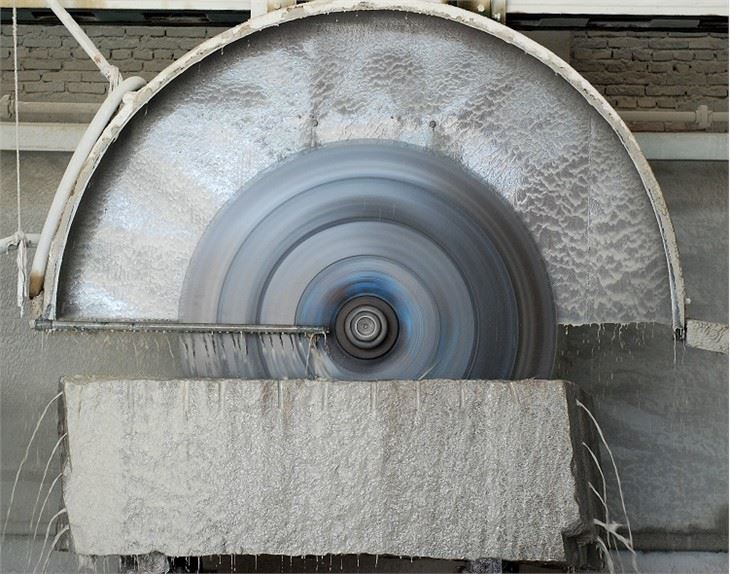
First off, let's understand what Granite Segments are. These bad boys are the cutting - edge parts of diamond blades used for cutting granite. They're made up of diamond particles embedded in a metal matrix, and they're what actually do the hard work of slicing through that tough granite. You can check out our Edge Cutting Segment for Granite for a better idea of what I'm talking about.
Now, back to the main question. Is it possible to replace a single Granite Segment in a large installation? The short answer is yes, it's possible, but there are a bunch of factors to consider.
The Technical Feasibility
From a technical standpoint, replacing a single segment is definitely doable. Most diamond blades are designed in a way that the segments are attached to the blade core. There are different attachment methods, like brazing or laser welding. If the blade uses a brazed attachment, it's relatively easier to replace a segment. You can heat up the brazed joint to melt the filler metal and then remove the damaged segment. Once it's out, you can clean the area on the blade core and braze a new segment in place.
However, if the segments are laser - welded, it gets a bit trickier. Laser welding creates a very strong bond between the segment and the blade core. To remove a laser - welded segment, you'll need specialized equipment that can precisely cut through the weld without damaging the blade core. And even after removing the old segment, you need to make sure the new segment is welded on correctly to maintain the blade's balance and performance.
Performance Considerations
Even if you can technically replace a single segment, it might not always be the best idea from a performance perspective. Granite segments wear down at different rates depending on various factors like the hardness of the granite, the cutting speed, and the pressure applied during cutting. When you replace just one segment, the new segment will have a different wear profile compared to the existing segments.
For example, if the other segments on the blade are already worn down, the new segment will be taller. This can cause uneven cutting, vibration, and potentially damage the blade or the granite being cut. In some cases, the vibration can be so bad that it affects the overall quality of the cut and even shortens the lifespan of the blade.
On the other hand, if you replace a segment that's significantly more worn than the others, it can actually improve the cutting performance. The blade will be more balanced, and you'll get a cleaner cut. But you have to be really careful about matching the new segment to the characteristics of the existing ones. That's where our Sharp Diamond Segment comes in handy. It's designed to offer consistent performance and can be a great replacement option if you do decide to go for a single - segment replacement.

Cost - Benefit Analysis
Another important factor to consider is the cost - benefit ratio. Replacing a single segment is generally cheaper than replacing the entire blade. But you have to factor in the cost of the new segment, the labor cost if you're not doing it yourself, and the cost of any specialized equipment you might need.
If the blade is relatively new and only one segment is damaged, replacing that segment can save you a lot of money. But if the blade is old and most of the segments are showing signs of wear, it might be more cost - effective to replace the whole blade. You also have to think about the downtime. If replacing a single segment takes a long time, it could mean lost productivity, which might offset the savings from not replacing the entire blade.
Safety Considerations
Safety is always a top priority when working with diamond blades. When replacing a single segment, you need to make sure the blade is properly balanced after the replacement. An unbalanced blade can cause excessive vibration, which not only affects the cutting quality but can also be dangerous. The vibration can cause the blade to break or come loose from the cutting machine, posing a serious risk to the operator.
You also need to follow all the safety procedures when heating or cutting the blade during the replacement process. For example, when using a torch to heat the brazed joint, you need to be in a well - ventilated area to avoid inhaling any fumes.
When to Replace a Single Segment
So, when is it a good idea to replace a single segment? If the blade is new, and only one segment is damaged due to a sudden impact or a manufacturing defect, it's usually a good option. Also, if you have a high - quality blade and want to extend its lifespan, replacing a single segment can be a smart move.
Our Quality Diamond Segment for Granite is a great choice for replacement. It's made with high - quality diamonds and a well - formulated metal matrix, which ensures good wear resistance and cutting performance.
In conclusion, while it is possible to replace a single piece of Granite Segment in a large installation, it's not a decision to be taken lightly. You need to carefully consider the technical feasibility, performance, cost - benefit, and safety aspects.
If you're still unsure whether to replace a single segment or the whole blade, or if you're looking for high - quality Granite Segments for replacement or new blades, don't hesitate to reach out. We're here to help you make the best decision for your cutting needs.
References
- Diamond Blade Technology Handbook
- Industry reports on granite cutting and diamond blade maintenance