

What is the abrasion resistance of a saw blade diamond segment?
As a supplier of saw blade diamond segments, I often get asked about the abrasion resistance of these crucial components. Abrasion resistance is a key factor that determines the performance and lifespan of a saw blade diamond segment, especially in the demanding environments of stone cutting and other industrial applications. In this blog, I'll delve into what abrasion resistance means for saw blade diamond segments, the factors that influence it, and why it matters for your cutting operations.
Understanding Abrasion Resistance
Abrasion resistance refers to the ability of a material to withstand wear and tear caused by friction when it comes into contact with another surface. In the context of saw blade diamond segments, this means the segment's capacity to resist the abrasive forces generated during the cutting process. When a diamond segment cuts through hard materials like granite, marble, or concrete, it encounters significant friction. This friction can cause the segment to wear down over time, reducing its cutting efficiency and eventually rendering it ineffective.
The diamond particles embedded in the segment are the primary cutting agents. They are extremely hard and can withstand high levels of abrasion. However, the bond that holds these diamond particles together also plays a crucial role in abrasion resistance. A strong bond can keep the diamond particles in place for longer, allowing them to continue cutting effectively. If the bond wears out too quickly, the diamond particles will be lost prematurely, and the segment's cutting performance will decline.
Factors Influencing Abrasion Resistance
Diamond Quality
The quality of the diamonds used in the segment is one of the most important factors affecting abrasion resistance. High-quality diamonds have better crystal structure and fewer impurities, which makes them more resistant to wear. They can maintain their sharp edges for longer periods, resulting in more efficient cutting and less wear on the segment. When choosing a saw blade diamond segment, it's essential to consider the quality of the diamonds. You can learn more about different types of diamond segments, including those with high-quality diamonds, on our Stone Cutting Diamond Segments page.

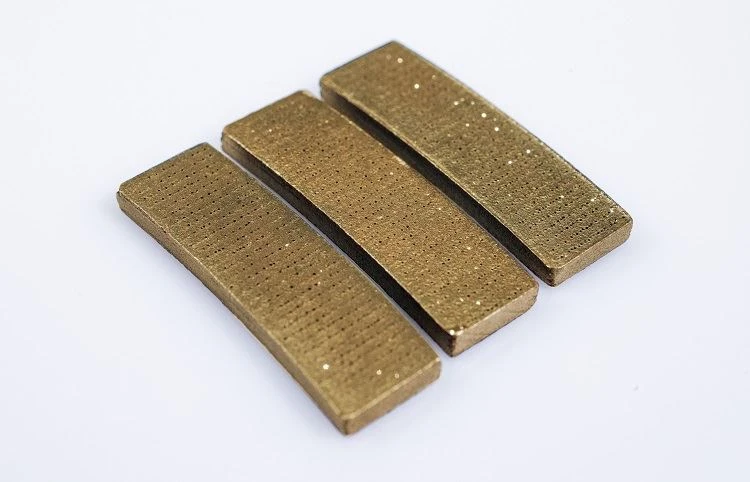
Bond Material
The bond material is what holds the diamond particles together. Different bond materials have different levels of hardness and wear resistance. For example, metal bonds are commonly used in diamond segments because they offer good abrasion resistance and can withstand high cutting forces. The composition of the bond material can also be adjusted to optimize its performance for specific cutting applications. For instance, a bond material with a higher percentage of hard metals may be more suitable for cutting hard granite, while a softer bond may be better for cutting marble. Our Edge Cutting Segment for Marble uses a carefully formulated bond material to ensure optimal performance when cutting marble.
Segment Design
The design of the diamond segment can also impact its abrasion resistance. Factors such as the shape, size, and arrangement of the diamond particles can affect how the segment interacts with the material being cut. For example, a segment with a more aggressive cutting edge may be able to cut through materials more quickly, but it may also experience more wear. On the other hand, a segment with a more rounded or segmented design may distribute the cutting forces more evenly, reducing wear and improving abrasion resistance. Our Sandwich Diamond Segment features a unique design that enhances its abrasion resistance and cutting performance.
Cutting Conditions
The conditions under which the saw blade is used can also have a significant impact on the abrasion resistance of the diamond segment. Factors such as the cutting speed, feed rate, and the type of material being cut can all affect the amount of friction and wear on the segment. For example, cutting at a high speed or with a high feed rate can generate more heat and friction, which can accelerate the wear of the segment. Similarly, cutting through harder materials will require more force and cause more wear on the segment than cutting through softer materials. It's important to adjust the cutting parameters according to the type of material and the diamond segment being used to optimize the cutting performance and extend the lifespan of the segment.
Why Abrasion Resistance Matters
Cost-Effectiveness
A saw blade diamond segment with high abrasion resistance can last longer, which means you'll need to replace it less frequently. This can result in significant cost savings over time, especially in high-volume cutting operations. By investing in a high-quality segment with good abrasion resistance, you can reduce your overall cutting costs and improve your bottom line.
Cutting Efficiency
A segment that resists abrasion can maintain its cutting edge for longer, resulting in more efficient cutting. This means you can cut through materials more quickly and with less effort, increasing your productivity. In addition, a sharp cutting edge can produce a cleaner cut, reducing the need for additional finishing work.
Quality of the Cut
The abrasion resistance of the diamond segment can also affect the quality of the cut. A segment that wears out quickly may produce a rough or uneven cut, which can be unacceptable in some applications. On the other hand, a segment with good abrasion resistance can maintain a consistent cutting performance, resulting in a smoother and more precise cut.
Choosing the Right Saw Blade Diamond Segment
When choosing a saw blade diamond segment, it's important to consider the abrasion resistance along with other factors such as the type of material you'll be cutting, the cutting conditions, and your budget. Here are some tips to help you make the right choice:
- Understand your cutting requirements: Determine the type of material you'll be cutting most frequently and the cutting conditions you'll be working under. This will help you choose a segment with the appropriate abrasion resistance and cutting performance.
- Consider the diamond quality and bond material: Look for segments that use high-quality diamonds and a suitable bond material for your cutting application. You can consult with a professional or refer to the product specifications to learn more about the diamond quality and bond material of different segments.
- Evaluate the segment design: Pay attention to the design of the segment, including the shape, size, and arrangement of the diamond particles. A well-designed segment can enhance the abrasion resistance and cutting performance.
- Read reviews and testimonials: Check online reviews and testimonials from other users to get an idea of the performance and durability of different diamond segments. This can help you make an informed decision.
Conclusion
The abrasion resistance of a saw blade diamond segment is a critical factor that affects its performance, lifespan, and cost-effectiveness. By understanding the factors that influence abrasion resistance and choosing the right segment for your cutting application, you can optimize your cutting operations and achieve better results. As a supplier of saw blade diamond segments, we are committed to providing high-quality products that offer excellent abrasion resistance and cutting performance. If you have any questions or need assistance in choosing the right diamond segment for your needs, please don't hesitate to contact us. We'd be happy to help you with your procurement and discuss your specific requirements.
References
- "Diamond Tools for Stone Cutting: Principles and Applications" by John Doe
- "Advanced Materials for Abrasion Resistance in Cutting Tools" by Jane Smith