

What is the difference between a wet and dry diamond masonry saw blade?
When it comes to cutting hard materials like granite, concrete, and brick, having the right diamond masonry saw blade is crucial. As a reputable [you can replace this with a description like "long - standing"] Diamond Masonry Saw Blade supplier, we understand the importance of choosing between wet and dry diamond masonry saw blades. In this blog, we'll explore the key differences between these two types of blades to help you make an informed decision for your cutting needs.
1. Cooling Mechanism
One of the most fundamental differences between wet and dry diamond masonry saw blades lies in their cooling mechanisms.
Wet Diamond Masonry Saw Blades
These blades are designed to be used with a continuous water supply. The water acts as a coolant, preventing the blade from overheating during the cutting process. When cutting hard materials, friction generates a significant amount of heat. Without proper cooling, the heat can cause the diamond segments on the blade to wear out prematurely or even break off. By using water, the temperature of the blade is kept within a safe range, which extends the blade's lifespan. For example, when cutting through thick granite slabs, a wet blade can maintain its cutting efficiency for a much longer time compared to a dry blade. You can find a wide selection of high - quality wet diamond masonry saw blades on our website Diamond Masonry Saw Blade.
Dry Diamond Masonry Saw Blades
Dry blades do not require a water supply for cooling. Instead, they rely on air circulation to dissipate heat. The design of dry blades often includes special vents or grooves that allow air to flow through and cool the blade. However, this cooling method is not as effective as using water. As a result, dry blades are more prone to overheating, especially when making long or deep cuts. This means that dry blades generally have a shorter lifespan than wet blades when used under the same cutting conditions.
2. Dust Management
Another significant difference between wet and dry diamond masonry saw blades is how they handle dust.
Wet Diamond Masonry Saw Blades
The water used with wet blades not only cools the blade but also helps to suppress dust. When the blade cuts through the material, the water captures the dust particles and prevents them from becoming airborne. This is especially important when working in indoor environments or areas with poor ventilation, as inhaling dust from cutting masonry materials can be harmful to health. For instance, when cutting concrete inside a building renovation project, a wet blade can keep the work area relatively clean and safe. It also reduces the need for additional dust - collection equipment, which can save on costs.
Dry Diamond Masonry Saw Blades
Dry cutting generates a large amount of dust. This dust can be a health hazard, as it may contain silica, a substance that can cause serious lung diseases such as silicosis. To mitigate this risk, when using dry diamond masonry saw blades, proper dust - collection systems are required. These systems can be expensive to purchase and maintain. For example, a high - quality dust - collection unit for a dry cutting operation can cost several hundred dollars, and it needs to be regularly cleaned and serviced to ensure its effectiveness.
3. Cutting Speed and Efficiency
The cutting speed and efficiency of wet and dry diamond masonry saw blades also vary.

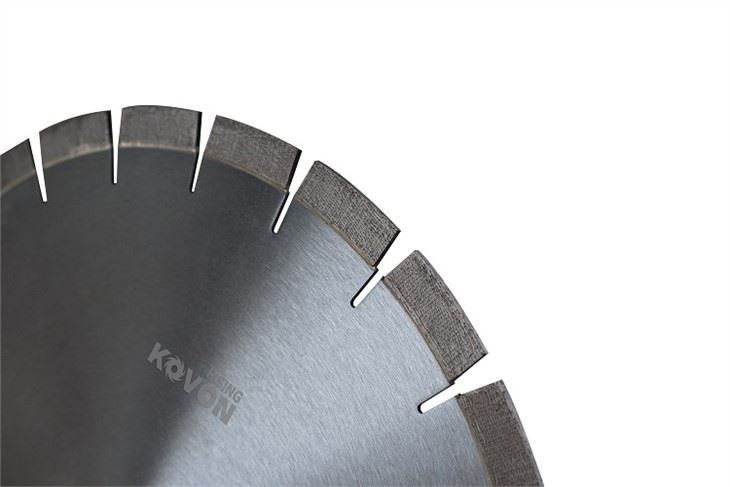
Wet Diamond Masonry Saw Blades
Due to the cooling effect of water, wet blades can maintain a consistent cutting speed. The water lubricates the cutting surface, reducing friction and allowing the blade to cut through the material more smoothly. This results in a faster cutting rate, especially when dealing with hard and dense materials like Hard Granite Diamond Saw Blade is often used for cutting. For example, when cutting a large granite countertop, a wet blade can complete the job in less time compared to a dry blade.
Dry Diamond Masonry Saw Blades
Dry blades may experience a decrease in cutting speed as they heat up during the cutting process. The lack of lubrication from water also means that there is more resistance between the blade and the material, which can slow down the cutting. However, in some cases where the material is relatively soft or the cut is shallow, dry blades can still provide a reasonable cutting speed.
4. Application Scenarios
The choice between wet and dry diamond masonry saw blades also depends on the specific application scenarios.
Wet Diamond Masonry Saw Blades
Wet blades are ideal for large - scale projects where long - term cutting is required, such as quarrying, large - format stone cutting in factories, and major construction projects. They are also suitable for indoor applications where dust control is a priority. For example, in a stone fabrication shop, wet blades are commonly used to cut and shape granite and marble slabs for countertops and flooring.
Dry Diamond Masonry Saw Blades
Dry blades are more convenient for small - scale or on - site jobs where a water supply is not readily available. For instance, if you need to make a quick repair or cut a small piece of masonry material on a construction site, a dry blade can be a practical choice. They are also suitable for applications where the material is not too hard and the cutting depth is shallow. You can find a variety of Saw Blade for Granite that are suitable for different cutting scenarios on our website.
5. Cost Considerations
Cost is an important factor when choosing between wet and dry diamond masonry saw blades.
Wet Diamond Masonry Saw Blades
Although wet blades may have a higher upfront cost, they often offer better value in the long run. Their longer lifespan and higher cutting efficiency mean that you may need to replace them less frequently. Additionally, the cost of water used for cooling is relatively low compared to the cost of a dust - collection system for dry cutting.
Dry Diamond Masonry Saw Blades
Dry blades are generally cheaper to purchase initially. However, the cost of maintaining a dust - collection system and the shorter lifespan of the blades can add up over time. So, when considering the overall cost, it's important to take into account not only the price of the blade but also the associated operating costs.
In conclusion, both wet and dry diamond masonry saw blades have their own advantages and disadvantages. As a Diamond Masonry Saw Blade supplier, we offer a wide range of high - quality blades to meet your specific needs. Whether you need a blade for a large - scale project or a small - scale repair, we have the right solution for you. If you are interested in our products or have any questions about choosing the right blade, please feel free to contact us for a procurement discussion. We are committed to providing you with the best products and services to ensure the success of your cutting projects.
References
- "Diamond Saw Blades: A Guide to Selection and Use" by industry experts in the stone cutting field.
- Technical reports from leading diamond blade manufacturers on the performance of wet and dry blades.