

How do I test the quality of a diamond masonry saw blade?
As a seasoned supplier of Diamond Masonry Saw Blades, I understand the critical importance of ensuring the quality of our products. A high - quality diamond saw blade can significantly enhance cutting efficiency, precision, and durability, which are key factors for our customers in the masonry and stone - cutting industries. In this blog, I will share some effective methods to test the quality of a diamond masonry saw blade.
1. Visual Inspection
The first step in testing a diamond saw blade is a thorough visual inspection. When you receive a batch of saw blades, carefully examine each one. Look for any visible signs of damage, such as cracks, chips, or uneven segments. A damaged blade can not only affect the cutting performance but also pose a safety risk during operation.
Check the diamond segments on the blade. The segments should be evenly distributed around the circumference of the blade. Unevenly placed segments can cause the blade to vibrate during cutting, leading to a poor - quality cut and potentially damaging the workpiece. The size and shape of the segments should also be consistent. Irregularly sized or shaped segments may indicate a manufacturing defect.
Inspect the bond between the diamond segments and the blade body. A strong bond is essential for the blade to function properly. Look for any signs of segment detachment or weak adhesion. If the segments are not firmly attached, they may come loose during cutting, which is extremely dangerous.
2. Hardness Testing
The hardness of the diamond segments is a crucial factor in determining the blade's cutting performance. There are several methods to test the hardness of the diamond segments. One common method is the Rockwell hardness test. This test measures the depth of penetration of an indenter into the material under a specific load. A higher Rockwell hardness value indicates a harder material.
Another method is the Vickers hardness test, which uses a square - based pyramid indenter to make an indentation on the surface of the diamond segment. The size of the indentation is then measured, and the hardness is calculated based on the applied load and the indentation size.
A blade with appropriately hard diamond segments can cut through hard materials such as granite more effectively. However, if the segments are too hard, they may become brittle and prone to chipping. On the other hand, if the segments are too soft, they will wear out quickly, reducing the blade's lifespan.
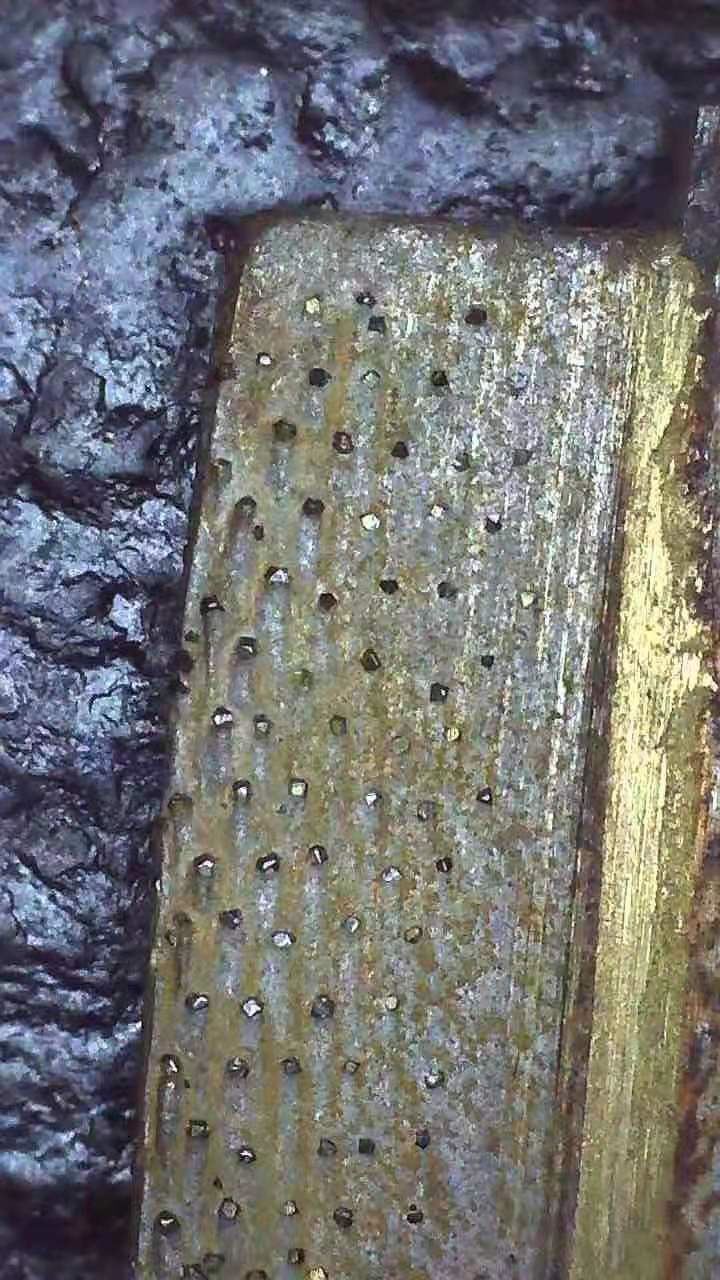

3. Cutting Performance Testing
One of the most practical ways to test the quality of a diamond masonry saw blade is through cutting performance testing. Select a sample of the material that the blade is intended to cut, such as granite or artificial stone. For granite cutting, you can use our Granite Diamond Saw Blade or Saw Blade for Granite. For artificial stone, our Diamond Blade for Artificial Stone is a good choice.
Set up a cutting machine and install the saw blade according to the manufacturer's instructions. Make a series of cuts on the sample material at a constant speed and feed rate. Observe the cutting process carefully. A high - quality blade should cut smoothly without excessive vibration or noise. The cut surface should be clean and free of rough edges or chipping.
Measure the cutting speed and the amount of material removed during each cut. A good - quality blade should have a relatively high cutting speed and be able to remove a significant amount of material with each pass. Compare the cutting performance of different blades to determine which ones are of better quality.
4. Wear Resistance Testing
Wear resistance is an important characteristic of a diamond masonry saw blade. A blade with good wear resistance will last longer and require less frequent replacement, which can save costs for the user.
To test the wear resistance of a blade, you can conduct a long - term cutting test. Continuously cut the sample material for a specified period of time or a certain number of cuts. After the test, measure the wear of the diamond segments. This can be done by measuring the thickness of the segments before and after the test.
A high - quality blade should have minimal wear after the test. If the segments show excessive wear, it may indicate that the blade is not suitable for the type of material being cut or that there is a problem with the manufacturing process.
5. Balance Testing
A balanced saw blade is essential for smooth and safe cutting. An unbalanced blade can cause excessive vibration, which not only affects the cutting quality but also puts additional stress on the cutting machine and can lead to premature machine wear.
To test the balance of a saw blade, you can use a blade balancing machine. This machine rotates the blade at a high speed and measures the amount of imbalance. The machine then indicates where additional weight needs to be added or removed to achieve balance.
You can also perform a simple visual balance test. Hang the blade on a pivot point and let it come to rest. If the blade does not remain stationary in a horizontal position, it is unbalanced. In this case, the blade should be balanced before use.
6. Noise and Vibration Testing
During the cutting process, excessive noise and vibration can be signs of a problem with the blade. High - pitched noises or excessive vibration may indicate a misaligned blade, a damaged segment, or an unbalanced blade.
Use a sound level meter to measure the noise level during cutting. Compare the noise level of different blades. A well - made blade should produce less noise during cutting.
To measure vibration, you can use a vibration sensor. Place the sensor on the cutting machine or the blade itself and record the vibration amplitude and frequency. Excessive vibration can cause discomfort to the operator and may also lead to inaccurate cuts.
7. Chemical Analysis
The chemical composition of the diamond segments can also affect the blade's performance. Chemical analysis can be used to determine the quality and purity of the diamond and the other materials in the segments.
One common method of chemical analysis is energy - dispersive X - ray spectroscopy (EDS). This method can identify the elements present in the diamond segment and their relative concentrations. By analyzing the chemical composition, you can ensure that the blade meets the required specifications.
Conclusion
Testing the quality of a diamond masonry saw blade is a comprehensive process that involves multiple aspects. By conducting visual inspections, hardness testing, cutting performance testing, wear resistance testing, balance testing, noise and vibration testing, and chemical analysis, you can accurately assess the quality of the blade.
As a supplier of Diamond Masonry Saw Blades, we are committed to providing our customers with high - quality products. Our Granite Diamond Saw Blade, Saw Blade for Granite, and Diamond Blade for Artificial Stone have undergone rigorous quality testing to ensure optimal performance.
If you are interested in purchasing our diamond masonry saw blades or have any questions about our products, please feel free to contact us for further discussion and procurement negotiation. We look forward to working with you to meet your stone - cutting needs.
References
- ASTM International. (20XX). Standard Test Methods for Rockwell Hardness and Rockwell Superficial Hardness of Metallic Materials.
- ISO. (20XX). ISO 6507 - 1: Metallic materials - Vickers hardness test - Part 1: Test method.
- Machinery's Handbook. (20XX). Industrial Press Inc.