

How often should I replace a diamond masonry saw blade?
Hey there! As a supplier of Diamond Masonry Saw Blades, I often get asked the question, "How often should I replace a diamond masonry saw blade?" Well, there's no one - size - fits - all answer to this question, as it depends on a bunch of different factors. Let's dive into it and break down what you need to know.
Factors Affecting Blade Replacement Frequency
1. Type of Material Being Cut
The material you're cutting is a huge factor. Different stones and materials have different levels of hardness and abrasiveness. For instance, cutting granite is a lot more demanding on a saw blade than cutting softer materials like limestone. Granite is a hard, dense igneous rock that contains quartz, feldspar, and mica. These minerals are very abrasive, and they can quickly wear down the diamond segments on your saw blade.
If you're using a Granite Cutting Saw Blade to cut granite all day long, you'll likely need to replace it more often compared to when you're cutting something like sandstone. Sandstone is a sedimentary rock composed mainly of sand - sized grains of quartz or feldspar. It's generally softer and less abrasive, so the blade won't wear out as fast.
On the other hand, if you're working with artificial stone, the situation is a bit different. Diamond Blade for Artificial Stone is designed to handle the unique properties of artificial materials. Artificial stones are often made by combining crushed stone with a resin binder. They can vary in hardness and abrasiveness depending on the manufacturing process, but in general, they're less likely to cause extreme wear on the blade compared to natural granite.
2. Cutting Conditions
The way you're using the saw blade also matters. If you're cutting at high speeds or applying too much pressure, the blade will wear out faster. High - speed cutting generates more heat, which can cause the diamond segments to break down more quickly. Similarly, excessive pressure can put too much stress on the blade, leading to premature wear.
The quality of the cutting equipment also plays a role. A well - maintained saw with proper alignment and a sharp motor will put less strain on the blade. If your saw is old or poorly maintained, it might not operate smoothly, causing the blade to wear unevenly or more rapidly.
Another aspect of cutting conditions is the presence of coolant. Using a coolant during the cutting process can significantly extend the life of the blade. Coolant helps to reduce heat and friction, which in turn reduces wear on the diamond segments. Without coolant, the blade can overheat, and the diamonds can lose their cutting edge.
3. Blade Quality
Not all diamond masonry saw blades are created equal. Higher - quality blades are made with better - quality diamonds and a more durable bond. A good Granite Diamond Saw Blade will have diamonds that are evenly distributed and firmly held in place by the bond. These blades are designed to withstand the rigors of cutting hard materials and will generally last longer than cheaper, lower - quality blades.
When you buy a low - quality blade, you might save some money upfront, but you'll end up replacing it more often. So, it's usually a good idea to invest in a high - quality blade from a reputable supplier.
Signs That It's Time to Replace Your Blade
1. Decreased Cutting Performance
One of the most obvious signs that you need to replace your blade is when it starts to cut more slowly or less smoothly. If you notice that the blade is taking longer to make a cut or that it's leaving rough edges on the material, it's a clear indication that the diamonds on the blade are worn down. The blade might also start to vibrate more than usual, which can be a sign that the segments are unevenly worn.
2. Visible Wear and Tear
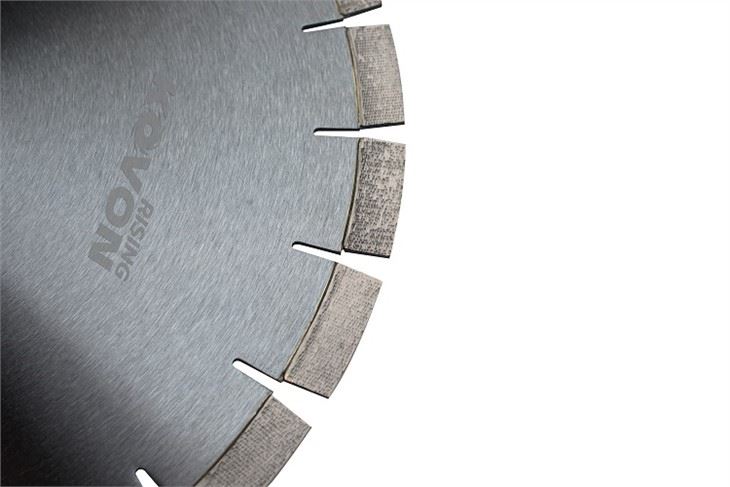
Take a close look at the blade. If you can see that the diamond segments are significantly worn down, with the diamonds almost gone or the segments starting to break off, it's time for a new blade. You might also notice cracks or chips in the blade, which can be dangerous and will affect its cutting ability.

3. Excessive Heat
If the blade is getting extremely hot during cutting, even when you're using coolant, it could be a sign that it's no longer working efficiently. The heat is a result of increased friction, which is often caused by worn - out diamonds. Excessive heat can damage the blade further and also pose a safety risk.
General Guidelines for Replacement
Based on the factors we've discussed, here are some general guidelines for how often you might need to replace your diamond masonry saw blade:
- Light - duty use: If you're using the blade for occasional DIY projects or light - commercial work, cutting softer materials like limestone or sandstone, you might be able to use the blade for several months or even a year before replacement.
- Medium - duty use: For regular commercial work cutting materials like marble or artificial stone, you might need to replace the blade every few weeks to a couple of months.
- Heavy - duty use: If you're cutting granite or other hard, abrasive materials on a daily basis in a high - volume commercial setting, you could be looking at replacing the blade every few days to a week.
Keep in mind that these are just rough estimates, and you should always pay attention to the signs of wear and decreased performance.
Conclusion
So, as you can see, there's no simple answer to the question of how often to replace a diamond masonry saw blade. It depends on the type of material you're cutting, the cutting conditions, and the quality of the blade. By understanding these factors and keeping an eye out for the signs of wear, you can ensure that you're using your blade efficiently and safely.
If you're in the market for a new diamond masonry saw blade or have any questions about blade replacement, don't hesitate to reach out. We're here to help you find the right blade for your needs and offer advice on how to get the most out of it.
References
- "Diamond Saw Blades: A Technical Guide" - Industry - specific handbook on diamond saw blade technology.
- "Stone Cutting and Masonry: Best Practices" - A publication focusing on proper techniques in stone cutting and the role of saw blades.