

How to choose a diamond chop saw blade for cutting large - scale projects?
When it comes to large - scale cutting projects, choosing the right diamond chop saw blade is crucial. As a seasoned Diamond Chop Saw Blade supplier, I've witnessed firsthand the impact that a well - chosen blade can have on the efficiency, quality, and cost - effectiveness of a project. In this blog, I'll share some key factors to consider when selecting a diamond chop saw blade for large - scale projects.
1. Material to be Cut
The first and most important factor is the material you'll be cutting. Different materials require different types of diamond chop saw blades.
Metal
If you're cutting metal, you need a blade specifically designed for metal cutting. Metal has different hardness and toughness levels, and a blade that's not suitable can lead to premature wear, poor cutting quality, and even safety hazards. For example, cutting stainless steel requires a blade with a different diamond concentration and bond type compared to cutting mild steel. Our Metal Cutting Blade is engineered to handle various metal types. It has a sharp and durable edge that can make clean and precise cuts through thick metal sheets and bars. The unique diamond formulation ensures long - lasting performance, reducing the need for frequent blade replacements in large - scale metal cutting projects.
Stone
When dealing with stone, such as marble, granite, or concrete, a saw blade designed for stone is essential. Stone is a hard and brittle material, and a proper blade can prevent chipping and cracking during the cutting process. Our Saw Blade for Stone is optimized for stone cutting. It features a high - quality diamond matrix that can withstand the abrasiveness of stone. The blade's design allows for efficient removal of material, making it ideal for large - scale stone cutting projects like building facades, countertops, and paving.
2. Blade Size
The size of the diamond chop saw blade is another critical consideration. The blade diameter should be compatible with your saw and the thickness of the material you're cutting.

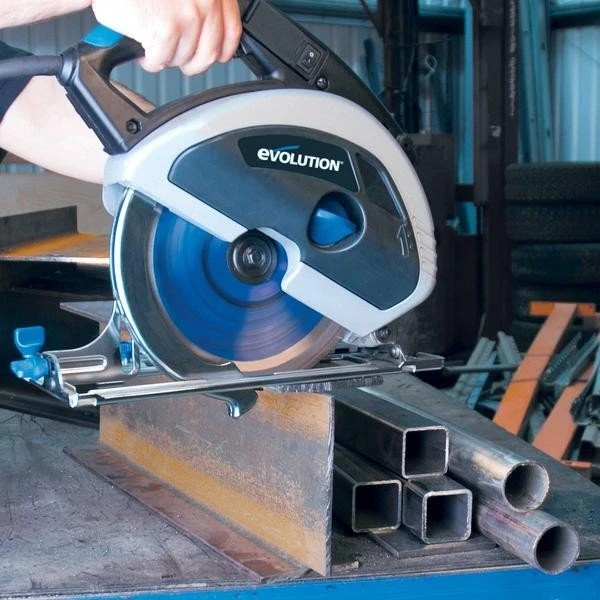
For large - scale projects, larger blade diameters are often preferred. A larger blade can make deeper cuts in a single pass, which is more time - efficient. For instance, if you're cutting thick metal beams or large stone slabs, a blade with a diameter of 14 inches or more might be necessary. However, it's important to ensure that your saw can accommodate the larger blade in terms of power and physical space. On the other hand, if you're working on a project with limited space or need to make more precise cuts in thinner materials, a smaller blade might be a better choice.
3. Diamond Concentration and Grade
The diamond concentration and grade in the blade significantly affect its cutting performance.
Diamond Concentration
Diamond concentration refers to the amount of diamond particles in the blade's cutting edge. Higher diamond concentration generally means better cutting performance and longer blade life. In large - scale projects, where you need to make a large number of cuts, a blade with a relatively high diamond concentration is recommended. However, higher concentration blades also tend to be more expensive. So, you need to balance the cost with the expected performance. For example, in a large - scale metal cutting project where precision and speed are crucial, a blade with a moderate to high diamond concentration can provide a good return on investment by reducing downtime for blade changes.
Diamond Grade
The diamond grade indicates the quality of the diamonds used in the blade. Higher - grade diamonds are more durable and can withstand higher temperatures and pressures during cutting. For large - scale projects involving hard materials like granite or high - strength steel, a blade with a high - grade diamond is essential. These blades can maintain their cutting edge for a longer time, resulting in consistent cutting quality throughout the project.
4. Bond Type
The bond type of the diamond chop saw blade determines how well the diamonds are held in place during the cutting process.
Soft Bond
A soft bond blade releases the worn - out diamonds more easily, exposing new diamonds for cutting. This type of bond is suitable for cutting hard materials because it allows the blade to self - sharpen. In large - scale stone cutting projects, a soft bond blade can keep the cutting edge sharp, reducing the risk of chipping and improving the overall cutting efficiency.
Hard Bond
A hard bond blade holds the diamonds more firmly, making it suitable for cutting softer materials. In large - scale metal cutting projects where the metal is relatively soft, a hard bond blade can prevent the diamonds from being dislodged prematurely, ensuring a longer blade life.
5. Cutting Speed and Feed Rate
The cutting speed and feed rate are important parameters that need to be considered in conjunction with the blade selection.
In large - scale projects, it's essential to find the right balance between cutting speed and feed rate. A too - high cutting speed can cause the blade to overheat, leading to premature wear and reduced cutting quality. On the other hand, a too - low cutting speed can result in inefficient cutting and longer project completion times. Similarly, an improper feed rate can cause the blade to bind or produce uneven cuts. Our Metal Cutting Chop Saw Blade comes with recommended cutting speed and feed rate guidelines based on different materials and blade sizes. Following these guidelines can optimize the blade's performance and extend its lifespan.
6. Brand and Quality
When it comes to large - scale projects, choosing a reputable brand is crucial. A well - known brand usually has a better quality control system and more research and development resources. This means that their blades are more likely to perform consistently and meet your expectations. As a Diamond Chop Saw Blade supplier, we take pride in our products' quality. Our blades are manufactured using the latest technology and undergo strict quality inspections before leaving the factory. We also offer technical support and after - sales service to ensure that our customers have a smooth experience in their large - scale cutting projects.
7. Cost - effectiveness
While it's important to invest in a high - quality blade, cost - effectiveness is also a key consideration in large - scale projects. You need to calculate the total cost of the blade over its lifespan, including the initial purchase price, replacement frequency, and the cost of any associated downtime. A more expensive blade with a longer lifespan and better cutting performance might actually be more cost - effective in the long run. For example, a blade that lasts twice as long as a cheaper alternative but costs only 50% more can save you money in terms of reduced blade purchases and less downtime for blade changes.
Conclusion
Choosing the right diamond chop saw blade for large - scale projects requires careful consideration of multiple factors, including the material to be cut, blade size, diamond concentration and grade, bond type, cutting speed and feed rate, brand and quality, and cost - effectiveness. As a Diamond Chop Saw Blade supplier, we are committed to providing our customers with the best blade solutions for their specific needs. If you're planning a large - scale cutting project and need help in selecting the right blade, feel free to contact us for professional advice and high - quality products. Our team of experts is ready to assist you in making the most suitable choice and ensuring the success of your project.
References
- "Cutting Tools Handbook", Industrial Press Inc.
- "Materials Science and Engineering: An Introduction", William D. Callister Jr. and David G. Rethwisch.