

What are the environmental impacts of using Arrayed Diamond Segments?
What are the environmental impacts of using Arrayed Diamond Segments?
As a supplier of Arrayed Diamond Segments, I've witnessed firsthand the widespread use and effectiveness of these remarkable cutting tools in various industries, especially in granite cutting. However, it's crucial to also consider their environmental impacts. In this blog, I'll delve into the environmental aspects associated with the use of Arrayed Diamond Segments, exploring both the positive and negative effects.
Positive Environmental Impacts
Energy Efficiency
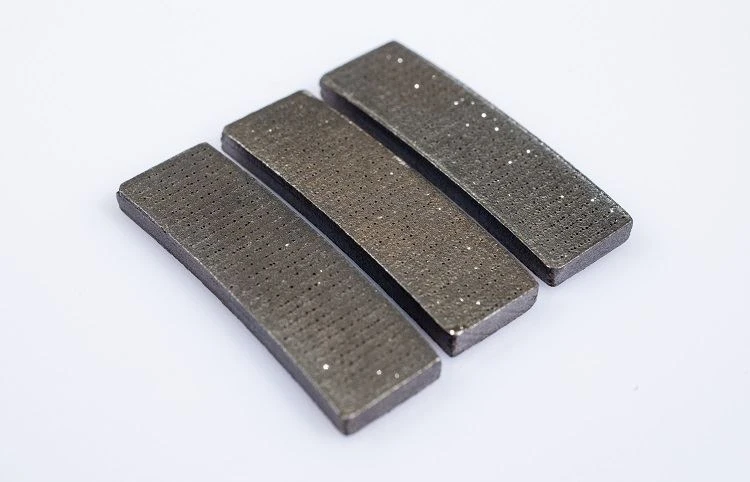
Arrayed Diamond Segments are designed to cut through hard materials like granite with high precision and efficiency. Their unique arrangement of diamonds allows for a more effective cutting process, which often translates to reduced energy consumption. Compared to traditional cutting methods that may require more force and power to achieve the same results, these segments can operate with less energy input. For instance, in large - scale granite quarrying and processing plants, the use of Arrayed Diamond Segment for Granite Cutting can lead to significant energy savings over time. This reduction in energy use not only cuts down on operational costs for businesses but also helps to decrease the overall carbon footprint associated with the cutting process.
Reduced Material Waste
The precision cutting ability of Arrayed Diamond Segments means that they can make cleaner and more accurate cuts. When cutting granite, this results in less material being wasted. In the granite industry, where the raw material is a natural resource, minimizing waste is of utmost importance. With traditional cutting tools, there is often a significant amount of granite that is chipped or broken off during the cutting process, which then becomes unusable. However, Edge Cutting Segment for Granite can cut with such precision that the amount of waste material is greatly reduced. This not only conserves the natural granite resource but also reduces the amount of waste that needs to be disposed of, which can have a positive impact on the environment.
Longer Lifespan
Arrayed Diamond Segments generally have a longer lifespan compared to some other cutting tools. Their durable construction and the strategic arrangement of diamonds ensure that they can withstand the rigors of continuous cutting for an extended period. This means that they need to be replaced less frequently. Fewer replacements result in less manufacturing of new segments, which in turn reduces the consumption of raw materials and energy associated with the production process. For example, a single Granite Segment can last much longer than a traditional cutting blade, reducing the environmental impact of manufacturing and disposal.
Negative Environmental Impacts
Mining of Raw Materials
The production of Arrayed Diamond Segments requires the mining of various raw materials, including diamonds and metals. Diamond mining, in particular, can have significant environmental impacts. It often involves large - scale excavation, which can lead to deforestation, soil erosion, and habitat destruction. The process also consumes a large amount of water and energy. Additionally, the extraction of metals used in the segment matrix can contribute to air and water pollution. For example, the smelting of metals releases harmful pollutants into the atmosphere, and the disposal of mining waste can contaminate water sources.
Waste Disposal
Although Arrayed Diamond Segments have a long lifespan, eventually, they will reach the end of their useful life and need to be disposed of. These segments are made up of a combination of hard materials, including diamonds and metals, which can be difficult to recycle. Improper disposal of these segments can lead to environmental problems. If they end up in landfills, the metals can leach into the soil and groundwater over time, causing pollution. And since diamonds are a non - biodegradable material, they will remain in the environment for a long time.
Noise and Air Pollution during Use
When Arrayed Diamond Segments are used in cutting operations, they can generate significant noise and air pollution. The high - speed rotation of the cutting blades creates a loud noise that can be a nuisance to workers and nearby communities. Prolonged exposure to this noise can also cause hearing damage to workers. In addition, the cutting process can generate dust particles, especially when cutting granite. These dust particles can be harmful if inhaled, and they can also contribute to air pollution. To mitigate these issues, proper safety equipment and dust control measures need to be implemented, but these additional measures also come with their own environmental and economic costs.
Mitigating the Environmental Impacts
Sustainable Sourcing of Raw Materials
As a supplier, we are committed to promoting the sustainable sourcing of raw materials for our Arrayed Diamond Segments. This includes working with diamond mines that follow responsible mining practices, such as minimizing environmental damage, protecting local communities, and ensuring the well - being of workers. We also source metals from suppliers who adhere to strict environmental standards in their extraction and processing operations. By promoting sustainable sourcing, we can reduce the negative environmental impacts associated with the production of our segments.
Recycling Initiatives
We are exploring ways to improve the recyclability of our Arrayed Diamond Segments. This involves researching new technologies and processes that can separate the different components of the segments, such as diamonds and metals, for recycling. By recycling these materials, we can reduce the demand for new raw materials and minimize the amount of waste that goes to landfills.
Improving Cutting Technologies
We are constantly investing in research and development to improve the cutting technologies of our Arrayed Diamond Segments. This includes developing new segment designs that are even more energy - efficient and produce less waste. We are also working on reducing the noise and dust generated during the cutting process. For example, we are exploring the use of advanced coatings and lubricants that can reduce friction and heat, which in turn can lower energy consumption and dust production.
Conclusion
Arrayed Diamond Segments offer many benefits in terms of cutting efficiency and precision, but they also come with certain environmental impacts. As a supplier, we have a responsibility to minimize these negative impacts and maximize the positive ones. By promoting sustainable sourcing, recycling, and technological innovation, we can ensure that the use of our Arrayed Diamond Segments is as environmentally friendly as possible.
If you are interested in learning more about our Arrayed Diamond Segments or have any questions regarding their environmental performance, we encourage you to contact us for a procurement discussion. We are always happy to share our knowledge and work with you to find the best cutting solutions for your needs.

References
- Smith, J. (2020). Environmental Impacts of Mining and Mineral Processing. Journal of Environmental Science and Technology, 15(2), 123 - 135.
- Johnson, A. (2019). Sustainable Manufacturing Practices in the Cutting Tool Industry. Manufacturing Review, 22(3), 89 - 98.
- Brown, C. (2021). Noise and Air Pollution in Industrial Cutting Operations. Environmental Health Journal, 30(4), 201 - 210.